

In the world of prop trading, mistakes often begin right where a trader assumes that “everything is under control.” Despite its attractive opportunities, this field has specific standards and limitations, and even the smallest error can seriously derail the path to success. Many traders believe that mistakes only belong to beginners, but the reality is that even experienced traders frequently fall into patterns of behavior that lead to nothing but losing prop capital and falling behind their trading goals. Understanding these mistakes from poor risk management to emotional decision making and overtrading helps traders not only avoid unnecessary losses, but also build a stronger psychological and strategic framework for managing prop accounts. This becomes even more important when we consider that the prop trading environment is highly competitive and sensitive; impulsive actions or poor choices can significantly affect long term opportunities.
In this article from MondFx , we examine seven common mistakes in prop trading mistakes that, once recognized and strategically managed, can greatly smooth the path toward growth, consistency, and profitability in prop accounts.
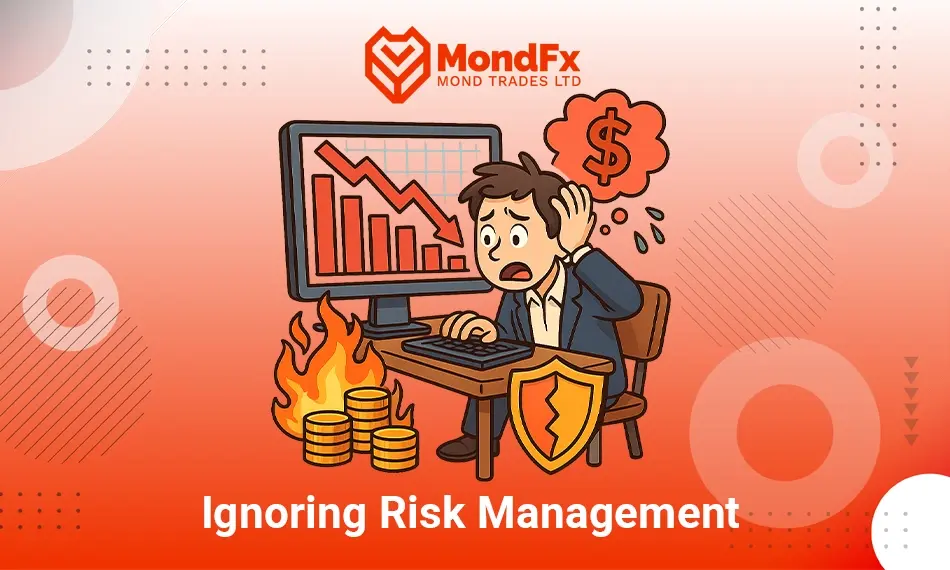
Ignoring Risk Management
In trading, you may not make a profit every day, but with proper risk management , you can limit losses and protect your account. One of the most common mistakes among proprietary traders is lacking a clear plan for controlling risk. Many traders focus solely on potential profits while overlooking possible losses. However, without a well defined risk management strategy, just a few unsuccessful trades can significantly impact your capital.
Recommendation:
Set a specific stop loss level for every trade to keep potential losses under control. As a general rule, it’s best to risk only 1-2% of your capital per trade. Additionally, consider diversifying your trades so you’re not dependent on a single asset or a limited trading approach.
Excessive and Aggressive Use of Leverage
Using leverage to increase potential profits is extremely popular among traders especially prop traders. However, leverage is a double edged sword: just as it can multiply your gains, it can also inflict heavy losses on your prop capital.
Many traders, particularly beginners, mistakenly believe that using high leverage will help them reach larger profits more quickly. In reality, even a small price movement against their position can result in substantial losses. Traders who use leverage without proper planning or a solid understanding of risk management are generally far more vulnerable to sudden market fluctuations.
Recommendation:
At the beginning of your trading journey, determine how much risk you can realistically tolerate. Instead of starting with high leverage, it’s wiser to begin with low leverage and gradually increase it as your experience and market proficiency grow. Additionally, before entering any highly leveraged trade, always consider the worst case scenario and evaluate its potential impact on your overall capital. Ultimately, cautious and gradual use of leverage is the key to protecting your capital and maintaining long term consistency in your trading.
Trading Without a Plan Is a Recipe for Failure
Having a trading plan is not just an advantage it is an absolute necessity for any trader active in financial markets, as it helps identify mistakes and supports rational, well thought out decision making. Financial markets, especially the cryptocurrency market, frequently experience high volatility. Without a structured trading plan, such fluctuations can create serious challenges for traders, particularly beginners.
Recommendation:
Create a comprehensive trading plan that includes clear rules for risk management, position sizing limits, and methods for identifying optimal entry and exit points. Your plan should also incorporate predetermined Stop Loss and Take Profit levels to ensure disciplined and consistent execution.
You Allow Your Emotions to Control Your Trades
Traders who operate their own personal accounts, as well as those trading on prop firm accounts, often experience a feeling known as FOMO (Fear of Missing Out). FOMO is one of the strongest negative emotions in financial markets especially in the cryptocurrency market and it can easily lead investors to make mistakes in their trading decisions.
Prop traders often incur losses when they base their decisions on emotions. Fear, greed, or frustration can result in poor judgment, such as chasing losses or holding onto positions that are clearly wrong from the outset.
Another important point is that emotions can work against you even during successful periods. Many traders become overly optimistic after a few profitable trades and enter high risk positions without proper analysis.
Recommendation:
To keep your emotions under control, establish clear rules for when you start and finish your trading sessions and stick to them. After generating profits or experiencing significant losses, give yourself some time to reset and let your mind calm down. Additionally, maintaining a detailed journal of your trading activity will help you identify your behavioral patterns and gain a deeper understanding of your emotional reactions. This self awareness can be a crucial factor in improving your overall performance.
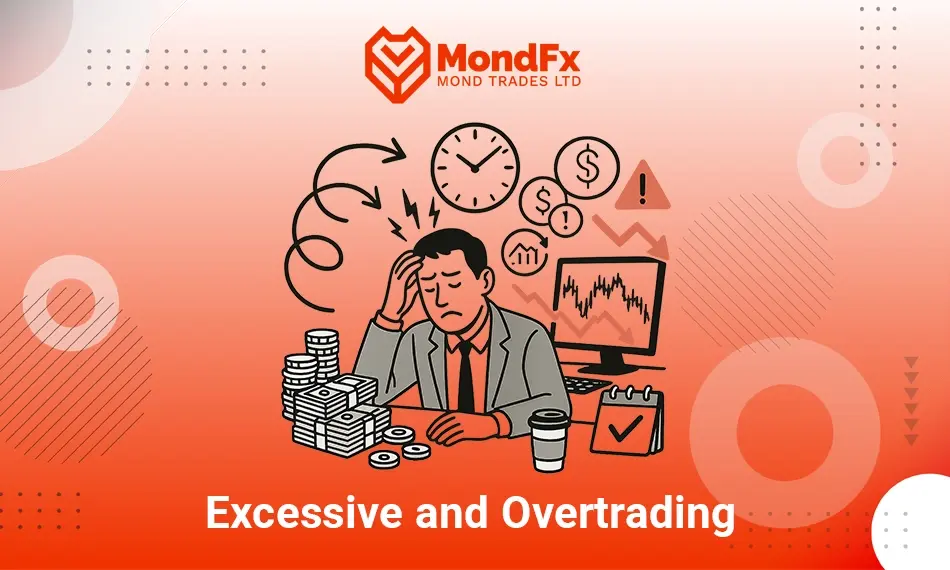
Excessive and Overtrading
Some traders believe that taking more trades can increase their profits. However, overtrading not only raises transaction costs but also increases your risk exposure and drains your mental energy. Discipline is the key factor in succeeding in proprietary trading. Many traders adhere to their rules during the evaluation phase, but afterward, they begin to ignore them. This lack of discipline has prevented many prop traders from reaching their first payout even after having their accounts approved.
Recommendation:
Instead of focusing on the number of trades, concentrate on placing high quality trades. Do not use your strategy merely to fill trading hours. Set a daily or weekly limit on the number of trades you take to prevent overtrading. Additionally, use mental relaxation techniques to manage anxiety and improve your focus.
Ignoring Economic News and Events
One of the most common mistakes that can affect prop traders for a long time is overlooking major economic news and events especially interest rate decisions, employment data, and international political developments.
These events can significantly influence prices and market trends, and if traders fail to pay attention to them, they may become vulnerable to sharp and unexpected market volatility. For example, a sudden change in a central bank’s monetary policy can trigger large movements in currency or commodity markets; traders who ignore such events may miss valuable opportunities or expose themselves to heavy losses.
Recommendation:
One of the best pieces of advice in prop trading is to avoid ignoring economic news and events, and always incorporate the information they provide into your decision making process and your trading plan. Even if you feel that technical analysis alone is sufficient, keeping an eye on economic news and global developments can help you better anticipate market volatility and unexpected shifts especially during periods when major economic announcements, such as Federal Reserve interest rate decisions, are expected.
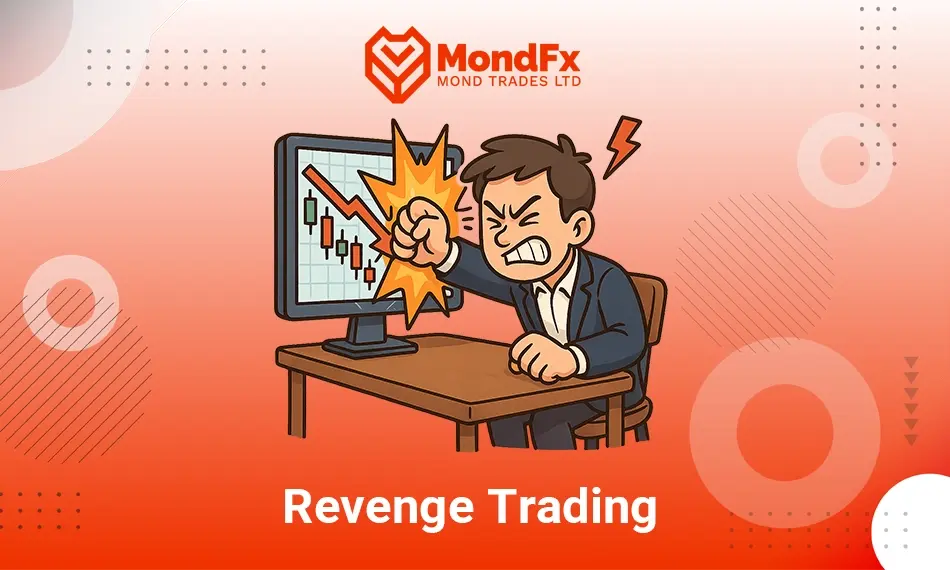
Revenge Trading
Prop traders who suffer significant losses sometimes re-enter the market impulsively and aggressively, without pausing their trading to reassess or develop new strategies. Revenge trading occurs when you attempt to open new positions solely to recover previous losses. In many cases, traders who fall into this pattern were actually on a successful path before experiencing a major loss.
Recommendation:
To avoid revenge trading and manage your emotions after taking a loss, the best approach is to take a short break and step away from the market to let your emotions settle. Then, evaluate yourself and objectively analyze what caused the loss and what triggered the revenge trade afterward.
Next, analyze the market conditions to determine whether heightened volatility or specific economic events have contributed to instability. You should also review your trading strategy to ensure that it aligns with the current market environment. Finally, after completing your assessments, make the necessary adjustments and modify your strategy or trading process to prevent emotional decisions and further losses. By following these steps, you can manage your emotions more effectively and avoid falling into revenge trading.
Conclusion
Ultimately, success in prop trading is not solely dependent on analytical skills or identifying entry and exit points; it is far more tied to your ability to manage your behavior, control risk, and adhere to a professional trading framework. The common mistakes discussed throughout this text often stem from lack of awareness or rushed decision making, and if ignored, even the best strategies will lose their effectiveness.
Trading on prop firm accounts is a long term journey, and consistent profitability becomes achievable only when a trader is able to maintain discipline, solid analysis, and emotional control simultaneously. By recognizing these seven common mistakes and implementing the practical recommendations provided, you can both protect your capital and increase your chances of success during evaluation phases and in long term cooperation with prop trading firms. In reality, the difference between an average trader and a successful one lies in how they respond to these mistakes and their ability to correct them.
With the support of MondFx, you can progress step by step toward building your own trading strategy and developing a more informed and intentional trading approach.