

Australia Inflation to Remain Above Target
- SNB to Show Its Resolve on Franc Strength Amid Safe-Haven DemandSource03/18/2026
- Markets Rally as Oil Drops in Runup to Fed MeetingSource03/18/2026
- Powell's Final FOMC Meeting Takes Place TonightSource03/18/2026
- RBA Hikes Interest Rate to 4.1 Percent in Split DecisionSource03/17/2026
- Goldman Sachs: Refined Fuels Hit Harder by Oil Market DisruptionSource03/17/2026
- Global Gold Steadies Above 5,000 DollarsSource03/17/2026
- Trump Delays Xi Meeting, Giving China Strategic Breathing RoomSource03/17/2026
- Trump Calls on Other Countries to Help Open Strait of HormuzSource03/16/2026
- China's Economy Shows Strong Growth but Iran War Clouds OutlookSource03/16/2026
- New Zealand Inflation to Breach Central Bank TargetSource03/16/2026
- Oil Declines in a Risk Averse Market Environment
 منبع خبر02/13/2026
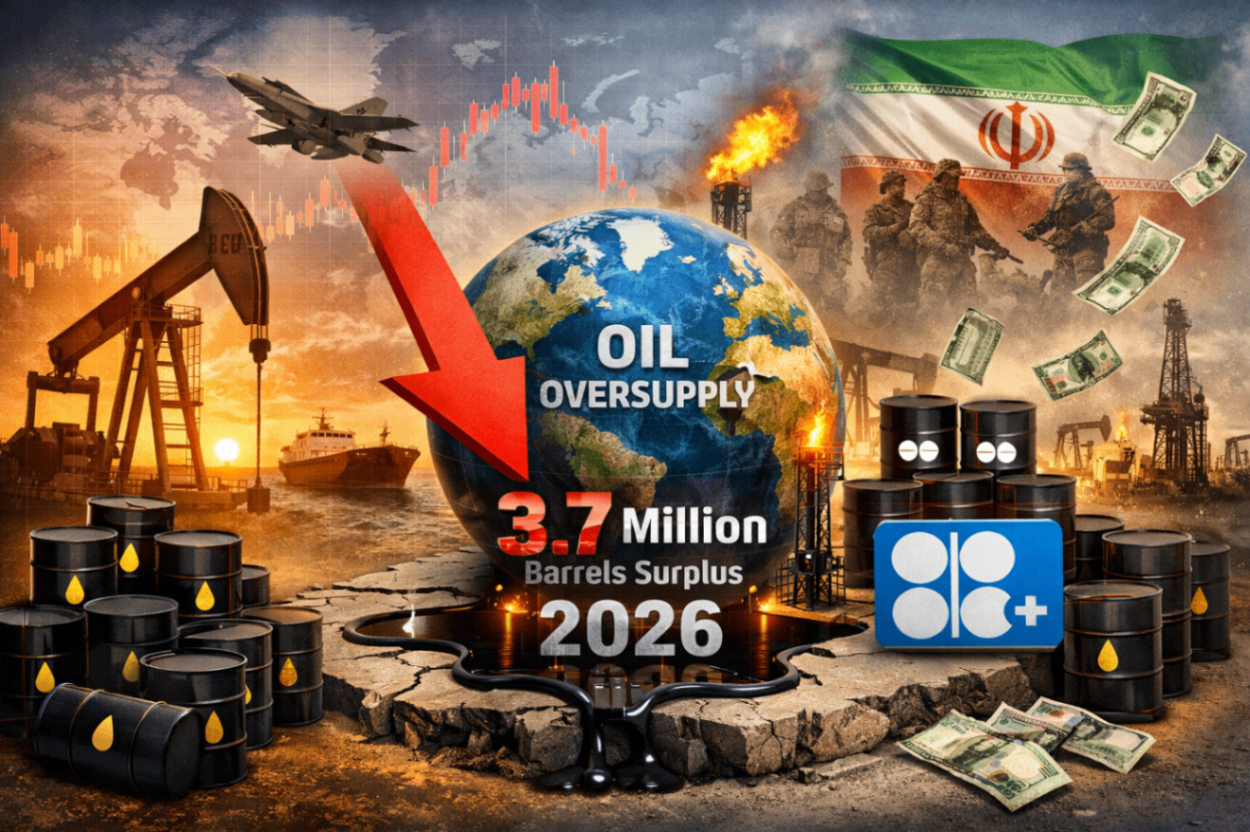
Oil prices moved toward recording their first consecutive weekly loss in 2026 as concerns over tensions with Iran eased and risk aversion strengthened across global markets. The International Energy Agency warned that the global market could face a surplus of about 3.7 million barrels per day in 2026, indicating that supply growth has outpaced demand. At the same time, slowing global demand growth and increased production following the easing of OPEC Plus restrictions have reinforced expectations of market saturation and added downward pressure on prices. Overall, reduced geopolitical risk, combined with surplus supply projections, has been the main factor weakening oil prices and keeping the market volatile.
- Netanyahu Says a Deal With Iran Is Possible
 منبع خبر02/13/2026
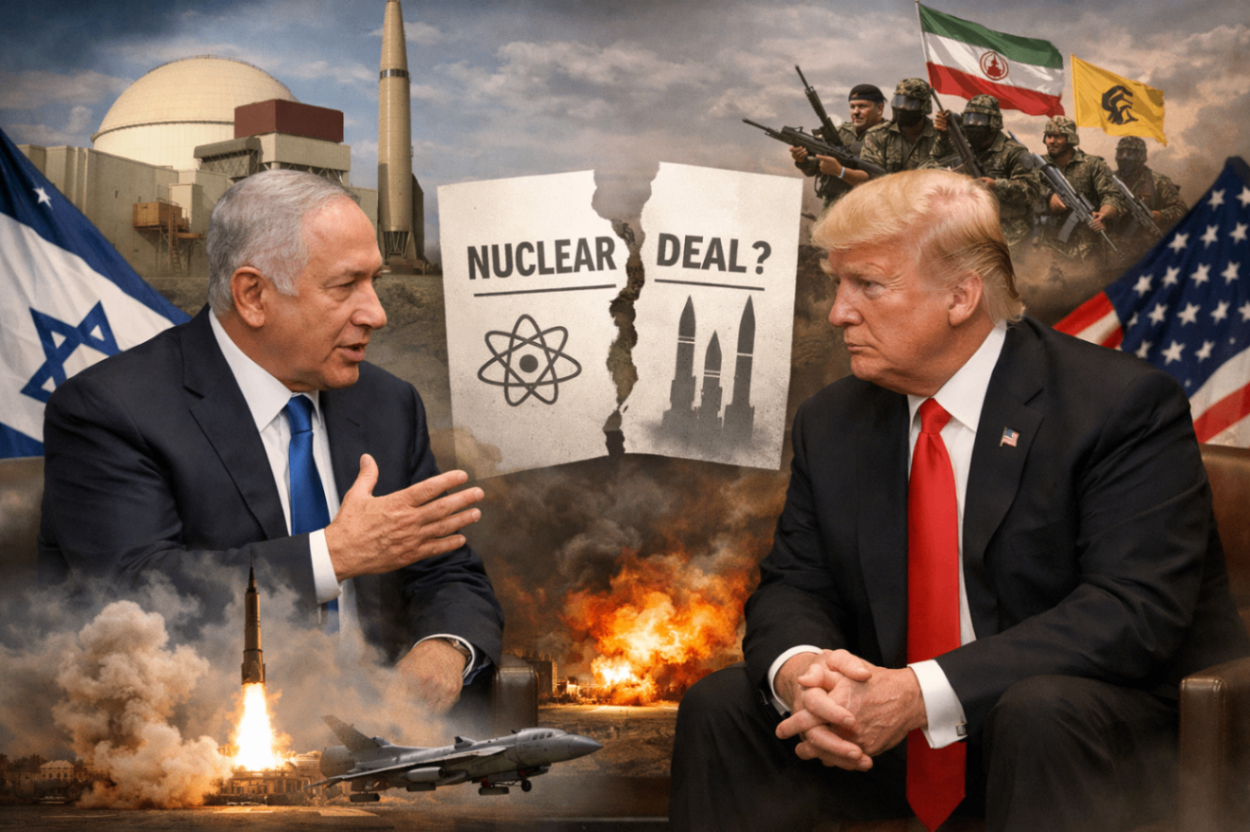
Israel’s Prime Minister Benjamin Netanyahu stated that Donald Trump’s actions may create the conditions necessary to reach a new agreement with Iran and avoid military action. Referring to his recent meeting with Trump, Netanyahu said any agreement must include halting Iran’s nuclear program, limiting ballistic missiles, and restraining proxy forces. While Washington has threatened potential military action if no agreement is reached, Tehran has said it is ready to discuss nuclear limitations in exchange for sanctions relief, but considers its missile program non-negotiable.
- The Leader of Islamic Republic called the recent protests a seditionSource02/01/2026
- NFP Report Will Not Be Released This WeekSource02/03/2026
- Standard Chartered Forecast for Bitcoin in 2026Source02/13/2026
- SNB to Show Its Resolve on Franc Strength Amid Safe-Haven DemandSource03/18/2026
- Lowest Interest Rate in China’s HistorySource02/03/2026