
MondFx News
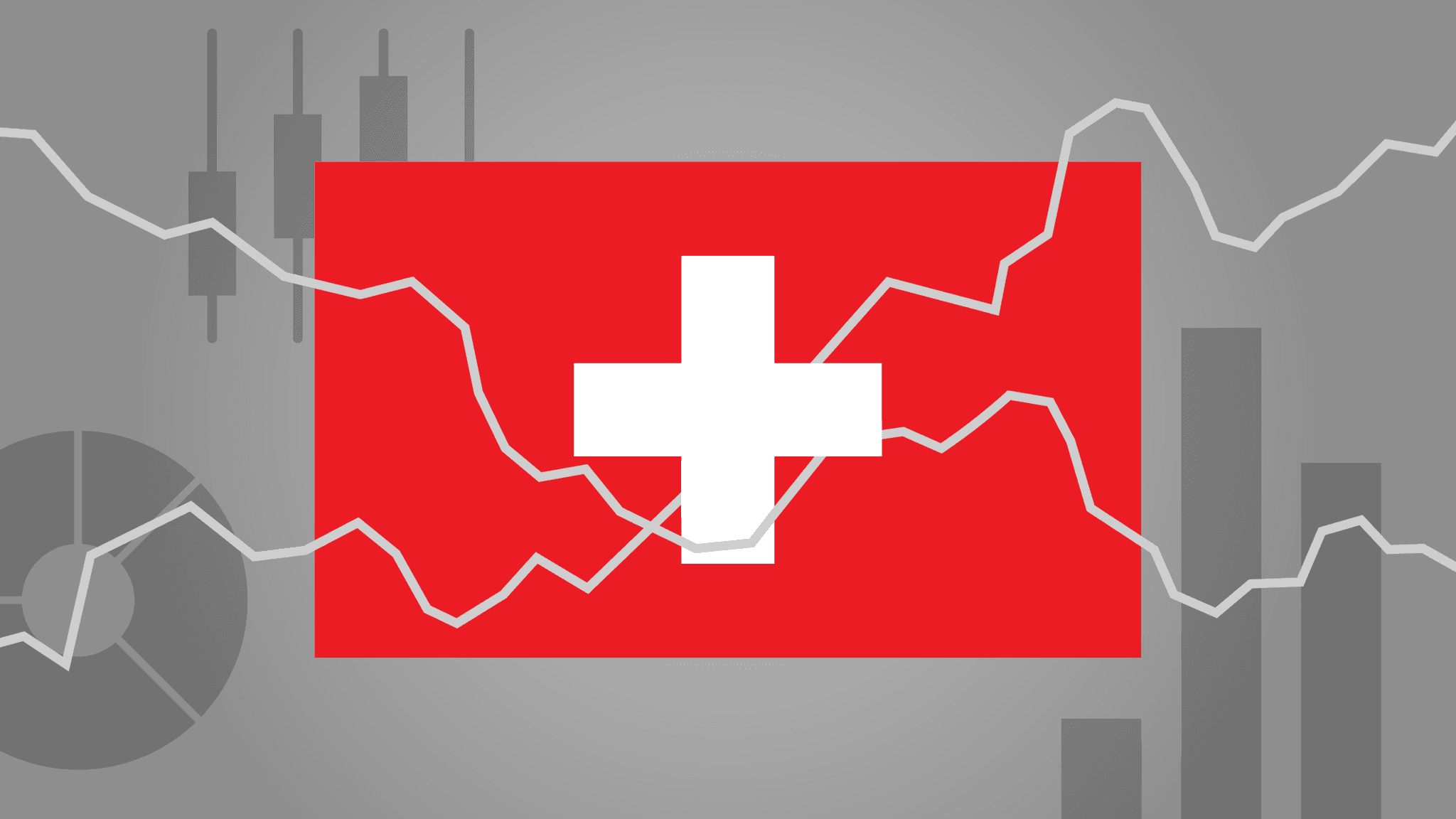
The Swiss National Bank faces growing pressure to curb investor demand for the franc as a safe haven amid the Iran war ahead of Thursday's decision. The bank is expected to keep interest rates at zero percent, but officials appear ready to intensify their rhetoric on currency intervention to prevent further appreciation. The Swiss franc has become Europe's strongest major currency against the dollar this year, threatening inflation and exporters.

Latest News
The Swiss National Bank faces growing pressure to curb investor demand for the franc as a safe haven amid the Iran war ahead of Thursday's decision. The bank is expected to keep interest rates at zero percent, but officials appear ready to intensify their rhetoric on currency intervention to prevent further appreciation. The Swiss franc has become Europe's strongest major currency against the dollar this year, threatening inflation and exporters.
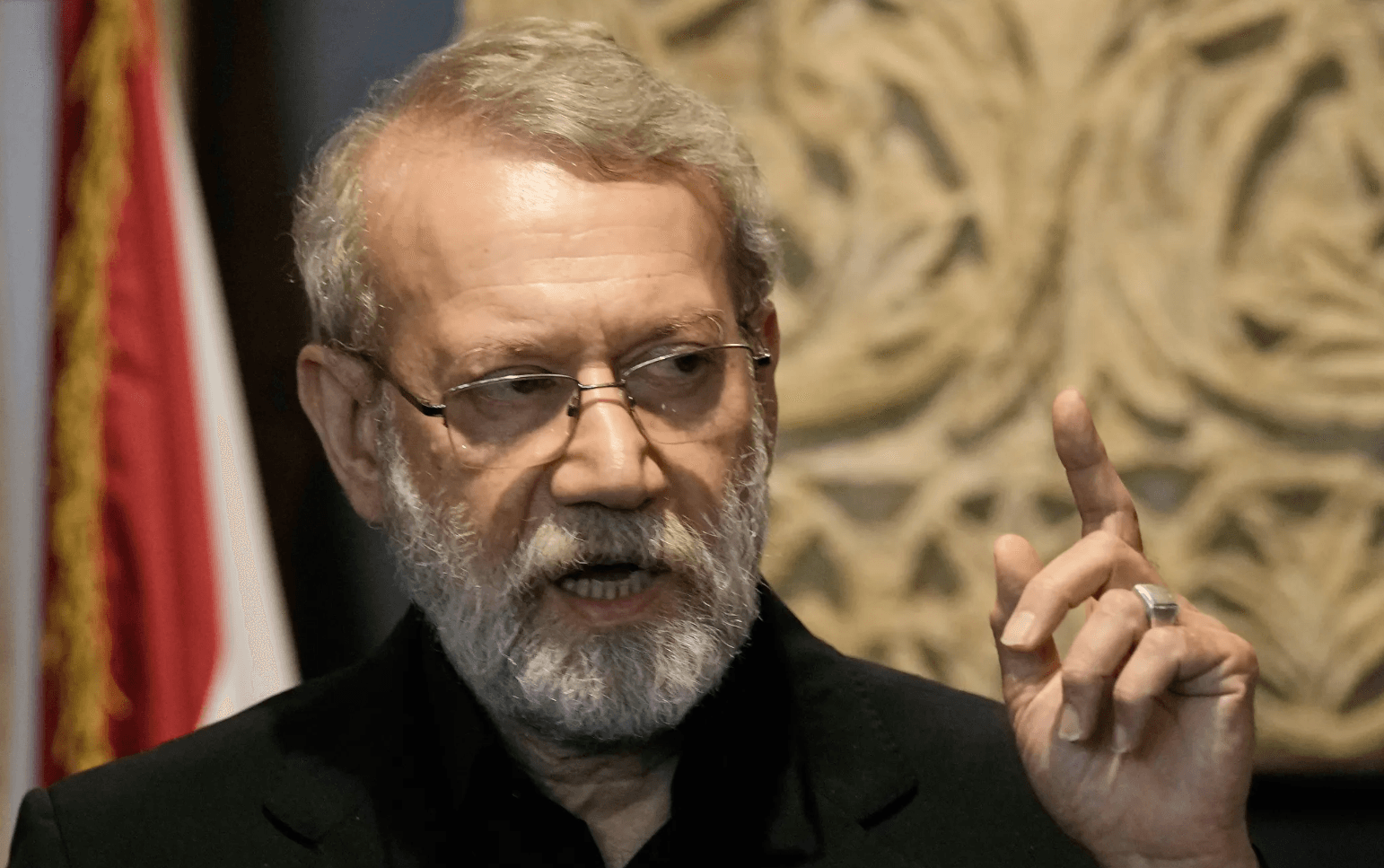
Iranian missile and drone strikes on Israel and Arab states in the Persian Gulf, including the UAE, Saudi Arabia, and Kuwait, continued for the third consecutive day. These attacks followed Iran's confirmation of the assassination of its national security chief, Ali Larijani, in an Israeli strike. Meanwhile, Trump announced that the US would soon be ready to end the war, and a strike also targeted an area near the Bushehr nuclear power plant, which Russia reported was without casualties.
The Wall Street Journal reported that Russia is seeking to bolster Iran's military capabilities amid tensions with the US and Israel by providing satellite imagery and advanced drone technology. According to the report, Moscow seeks to prolong the war in the region for political and economic benefits, and the shared technology includes improved components for Shahed drones with better navigation and communication systems.
Global stock markets rallied as oil prices declined and volatility subsided ahead of the Federal Reserve's Wednesday meeting. The S&P 500 posted its first back-to-back gain since the Iranian war began, while Brent crude fell 0.6% to $102.84 per barrel. Analysts say that with oil stabilizing, market focus has shifted from monetary policy to geopolitical developments.
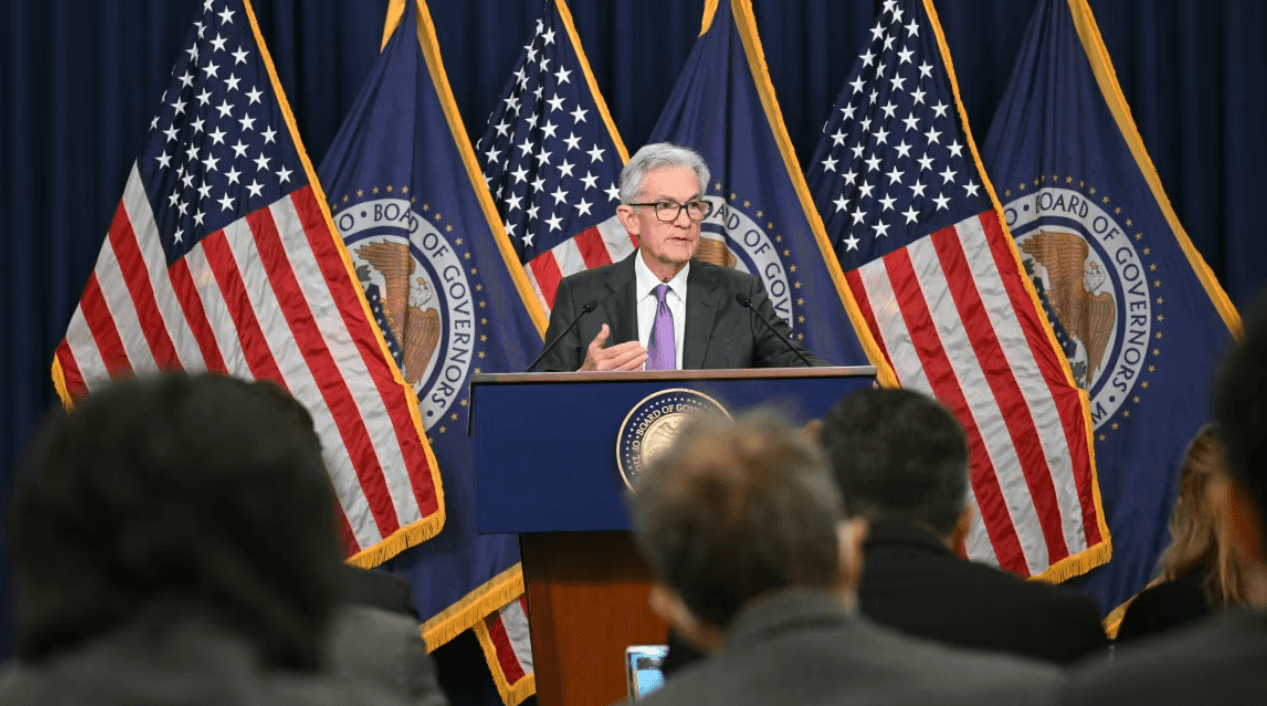
The Federal Reserve's interest rate determination meeting will be held tonight, with rates expected to remain steady at 3.75%. This will be Mr. Powell's last meeting. The session will also include new economic forecasts, and due to the oil price shock, Mr. Powell will face a wave of questions regarding the weak February employment report and the oil price shock. Powell is likely to emphasize a wait-and-see approach.
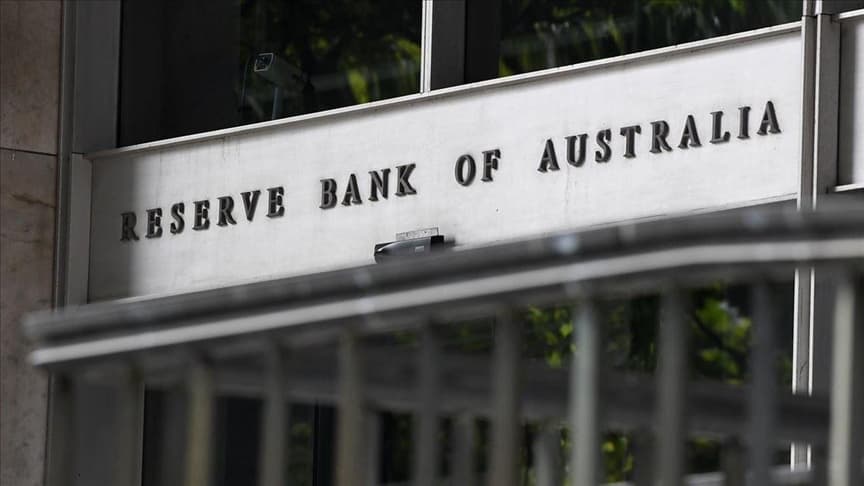
Australia's central bank raised its interest rate for the second consecutive month in an unexpected move, increasing it to 4.1 percent by a 5 to 4 vote. The decision was driven by intensifying inflationary pressures resulting from rising energy costs due to the Iran war. The Reserve Bank warned that inflation may remain above its 2 to 3 percent target range for longer than previously anticipated, with some economists forecasting the country's inflation rate could reach 5 percent.
Goldman Sachs investment bank warned that the impact of the Middle East war on refined products like jet fuel and diesel has been greater than on crude oil. According to the report, while Brent crude prices have exceeded 100 dollars per barrel, fuel costs in parts of Asia have doubled. This disruption stems from the near complete halt of
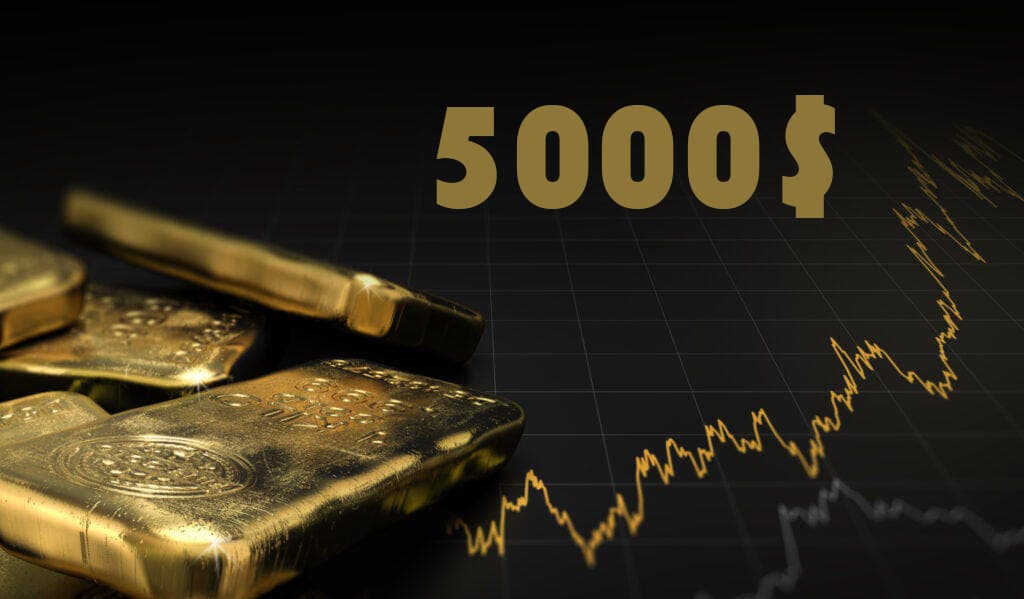
Gold prices have stabilized above 5,000 dollars per ounce amid geopolitical tensions and inflation concerns driven by rising energy costs. The precious metal has gained about 16 percent since the beginning of this year. Demand in China remains strong, with Chinese investors adding more than 17 billion yuan (equivalent to 2.5 billion dollars) to gold exchange traded funds since the Lunar New Year holiday.
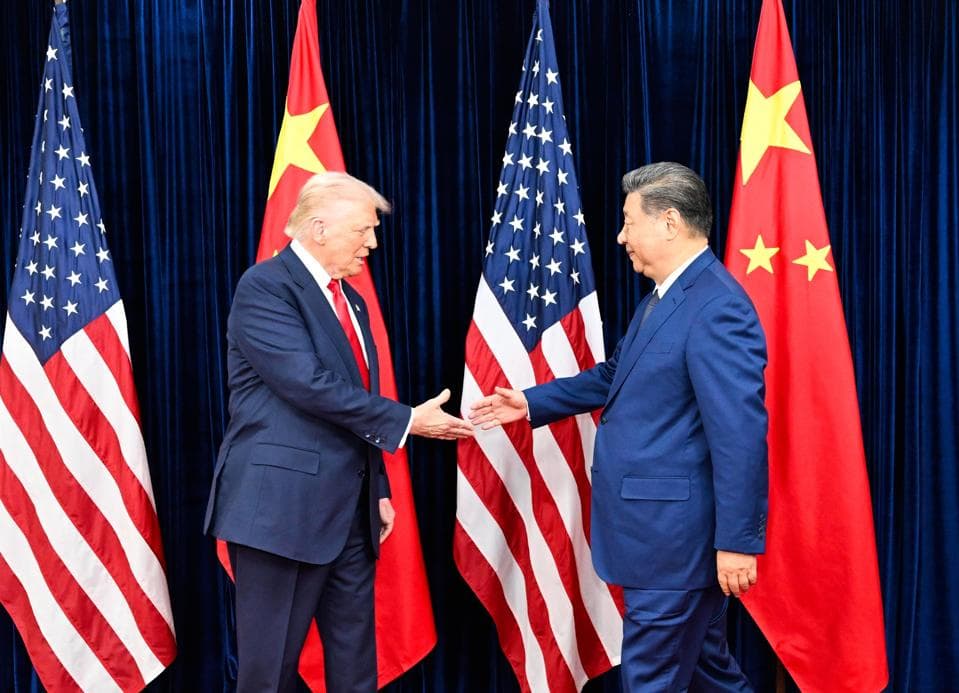
Donald Trump postponed his meeting with Xi Jinping by about 1 to 2 months due to the US involvement in the Iran war. While the delay introduces some uncertainty in relations, it gives China more time to reassess its position amid Middle East tensions. Officials say the pause is unlikely to have a major impact on the overall economic relationship.
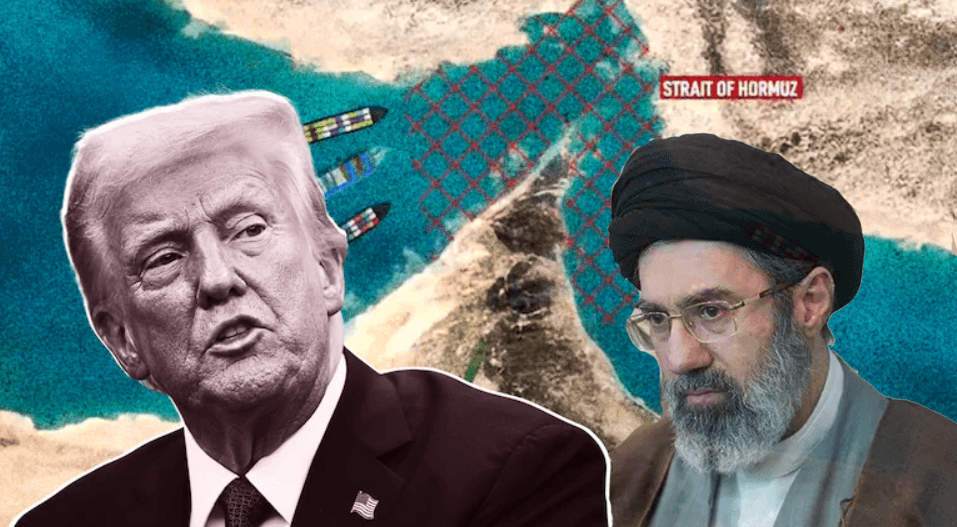
US President Donald Trump said his country does not know whether Ayatollah Mojtaba Khamenei, Iran's new leader, is still alive. Meanwhile, US allies have shown reluctance to respond to Washington's request for help in escorting ships through the Strait of Hormuz. According to some reports, US Special Envoy Steve Witkoff and Iranian Foreign Minister Abbas Araghchi are in contact via the Signal messaging app. Separately, Iran linked maritime traffic in the Strait of Hormuz has reached its highest level since the start of the war.
The Swiss National Bank faces growing pressure to curb investor demand for the franc as a safe haven amid the Iran war ahead of Thursday's decision. The bank is expected to keep interest rates at zero percent, but officials appear ready to intensify their rhetoric on currency intervention to prevent further appreciation. The Swiss franc has become Europe's strongest major currency against the dollar this year, threatening inflation and exporters.
Iranian missile and drone strikes on Israel and Arab states in the Persian Gulf, including the UAE, Saudi Arabia, and Kuwait, continued for the third consecutive day. These attacks followed Iran's confirmation of the assassination of its national security chief, Ali Larijani, in an Israeli strike. Meanwhile, Trump announced that the US would soon be ready to end the war, and a strike also targeted an area near the Bushehr nuclear power plant, which Russia reported was without casualties.
The Wall Street Journal reported that Russia is seeking to bolster Iran's military capabilities amid tensions with the US and Israel by providing satellite imagery and advanced drone technology. According to the report, Moscow seeks to prolong the war in the region for political and economic benefits, and the shared technology includes improved components for Shahed drones with better navigation and communication systems.
Global stock markets rallied as oil prices declined and volatility subsided ahead of the Federal Reserve's Wednesday meeting. The S&P 500 posted its first back-to-back gain since the Iranian war began, while Brent crude fell 0.6% to $102.84 per barrel. Analysts say that with oil stabilizing, market focus has shifted from monetary policy to geopolitical developments.
The Federal Reserve's interest rate determination meeting will be held tonight, with rates expected to remain steady at 3.75%. This will be Mr. Powell's last meeting. The session will also include new economic forecasts, and due to the oil price shock, Mr. Powell will face a wave of questions regarding the weak February employment report and the oil price shock. Powell is likely to emphasize a wait-and-see approach.
Australia's central bank raised its interest rate for the second consecutive month in an unexpected move, increasing it to 4.1 percent by a 5 to 4 vote. The decision was driven by intensifying inflationary pressures resulting from rising energy costs due to the Iran war. The Reserve Bank warned that inflation may remain above its 2 to 3 percent target range for longer than previously anticipated, with some economists forecasting the country's inflation rate could reach 5 percent.
Goldman Sachs investment bank warned that the impact of the Middle East war on refined products like jet fuel and diesel has been greater than on crude oil. According to the report, while Brent crude prices have exceeded 100 dollars per barrel, fuel costs in parts of Asia have doubled. This disruption stems from the near complete halt of
Gold prices have stabilized above 5,000 dollars per ounce amid geopolitical tensions and inflation concerns driven by rising energy costs. The precious metal has gained about 16 percent since the beginning of this year. Demand in China remains strong, with Chinese investors adding more than 17 billion yuan (equivalent to 2.5 billion dollars) to gold exchange traded funds since the Lunar New Year holiday.
Donald Trump postponed his meeting with Xi Jinping by about 1 to 2 months due to the US involvement in the Iran war. While the delay introduces some uncertainty in relations, it gives China more time to reassess its position amid Middle East tensions. Officials say the pause is unlikely to have a major impact on the overall economic relationship.
US President Donald Trump said his country does not know whether Ayatollah Mojtaba Khamenei, Iran's new leader, is still alive. Meanwhile, US allies have shown reluctance to respond to Washington's request for help in escorting ships through the Strait of Hormuz. According to some reports, US Special Envoy Steve Witkoff and Iranian Foreign Minister Abbas Araghchi are in contact via the Signal messaging app. Separately, Iran linked maritime traffic in the Strait of Hormuz has reached its highest level since the start of the war.