
MondFx News
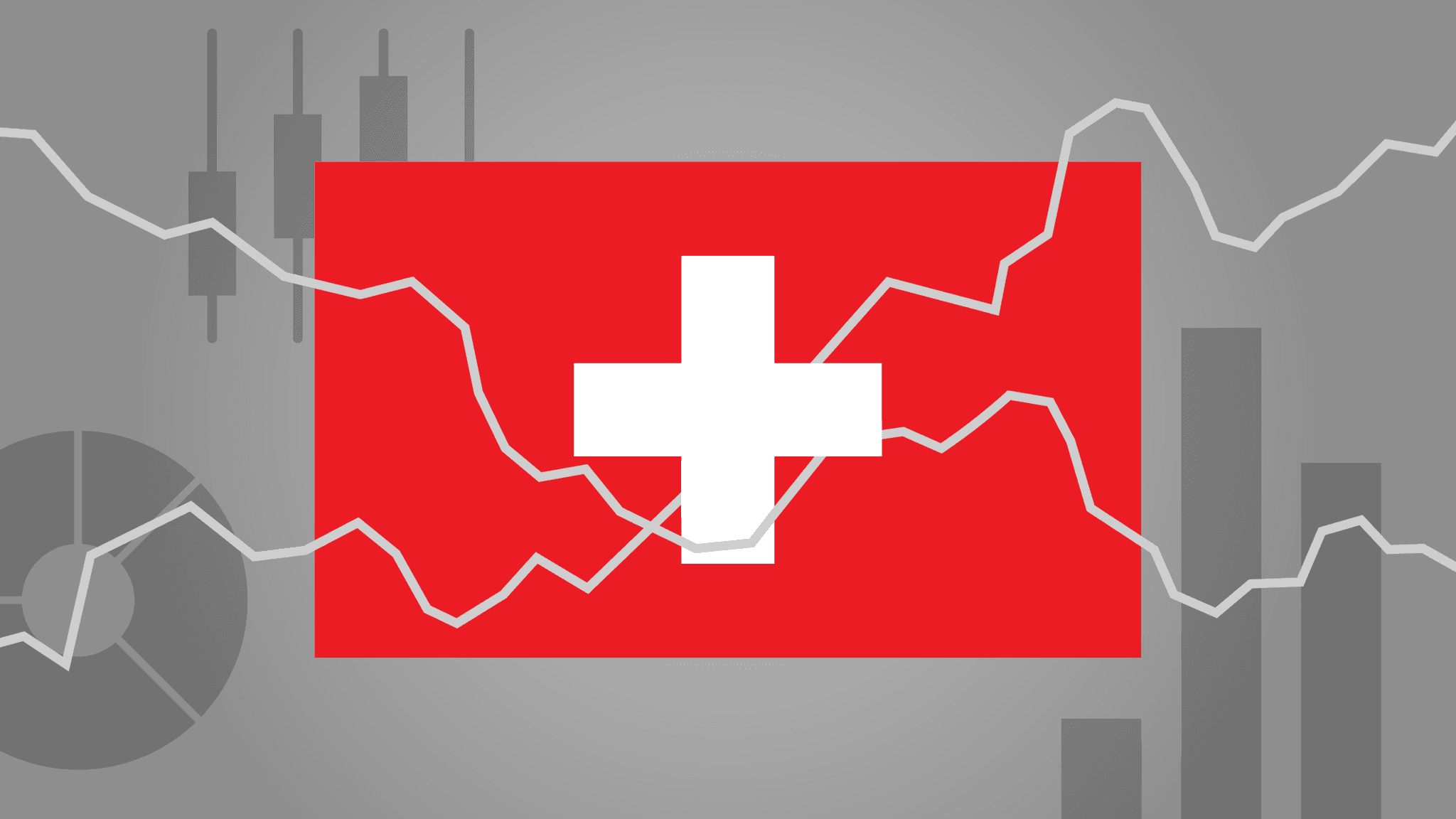
The Swiss National Bank faces growing pressure to curb investor demand for the franc as a safe haven amid the Iran war ahead of Thursday's decision. The bank is expected to keep interest rates at zero percent, but officials appear ready to intensify their rhetoric on currency intervention to prevent further appreciation. The Swiss franc has become Europe's strongest major currency against the dollar this year, threatening inflation and exporters.


Latest News
The Swiss National Bank faces growing pressure to curb investor demand for the franc as a safe haven amid the Iran war ahead of Thursday's decision. The bank is expected to keep interest rates at zero percent, but officials appear ready to intensify their rhetoric on currency intervention to prevent further appreciation. The Swiss franc has become Europe's strongest major currency against the dollar this year, threatening inflation and exporters.
Global stock markets rallied as oil prices declined and volatility subsided ahead of the Federal Reserve's Wednesday meeting. The S&P 500 posted its first back-to-back gain since the Iranian war began, while Brent crude fell 0.6% to $102.84 per barrel. Analysts say that with oil stabilizing, market focus has shifted from monetary policy to geopolitical developments.
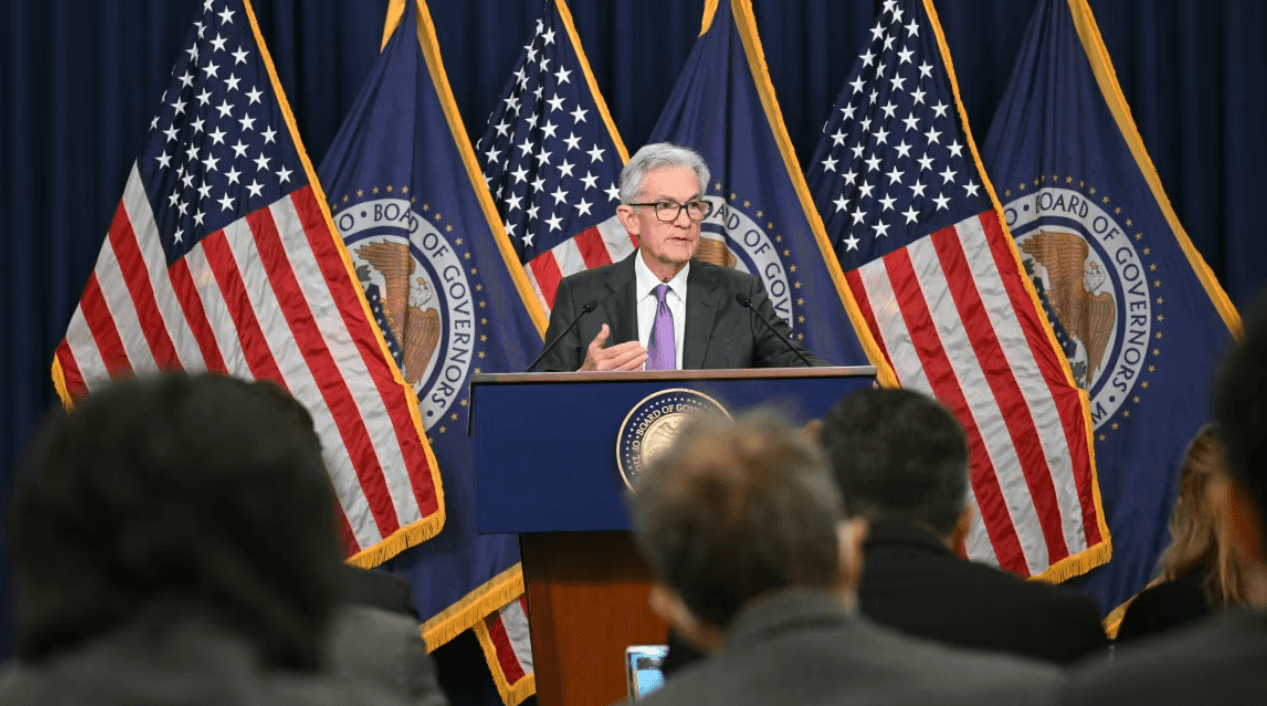
The Federal Reserve's interest rate determination meeting will be held tonight, with rates expected to remain steady at 3.75%. This will be Mr. Powell's last meeting. The session will also include new economic forecasts, and due to the oil price shock, Mr. Powell will face a wave of questions regarding the weak February employment report and the oil price shock. Powell is likely to emphasize a wait-and-see approach.
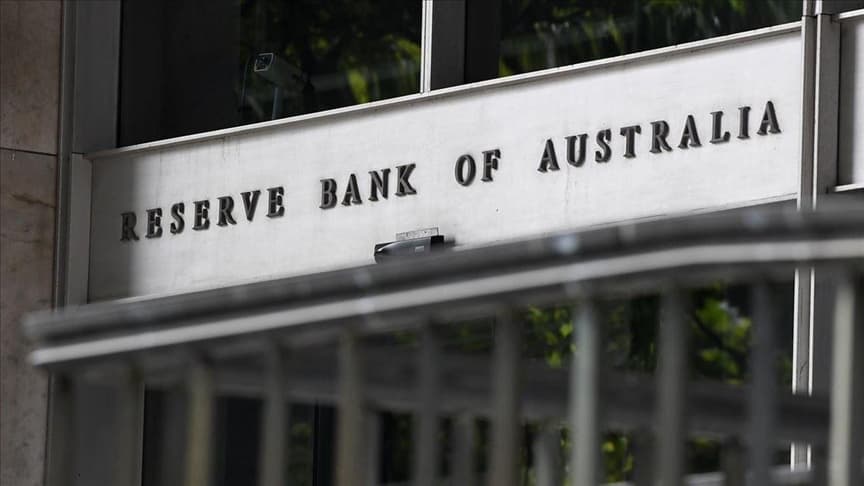
Australia's central bank raised its interest rate for the second consecutive month in an unexpected move, increasing it to 4.1 percent by a 5 to 4 vote. The decision was driven by intensifying inflationary pressures resulting from rising energy costs due to the Iran war. The Reserve Bank warned that inflation may remain above its 2 to 3 percent target range for longer than previously anticipated, with some economists forecasting the country's inflation rate could reach 5 percent.
Goldman Sachs investment bank warned that the impact of the Middle East war on refined products like jet fuel and diesel has been greater than on crude oil. According to the report, while Brent crude prices have exceeded 100 dollars per barrel, fuel costs in parts of Asia have doubled. This disruption stems from the near complete halt of

Gold prices have stabilized above 5,000 dollars per ounce amid geopolitical tensions and inflation concerns driven by rising energy costs. The precious metal has gained about 16 percent since the beginning of this year. Demand in China remains strong, with Chinese investors adding more than 17 billion yuan (equivalent to 2.5 billion dollars) to gold exchange traded funds since the Lunar New Year holiday.
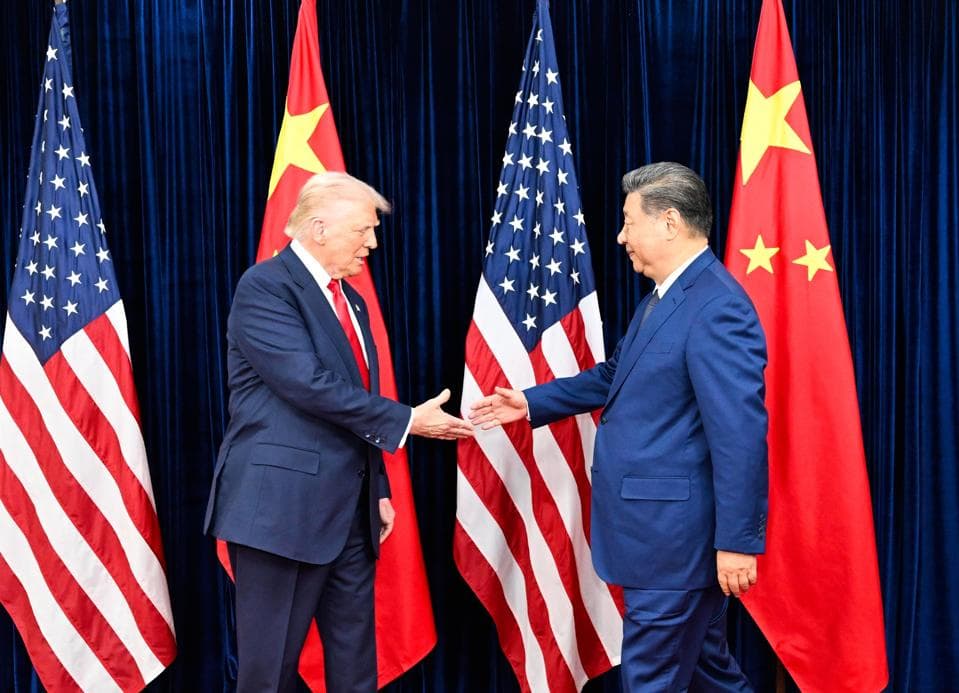
Donald Trump postponed his meeting with Xi Jinping by about 1 to 2 months due to the US involvement in the Iran war. While the delay introduces some uncertainty in relations, it gives China more time to reassess its position amid Middle East tensions. Officials say the pause is unlikely to have a major impact on the overall economic relationship.
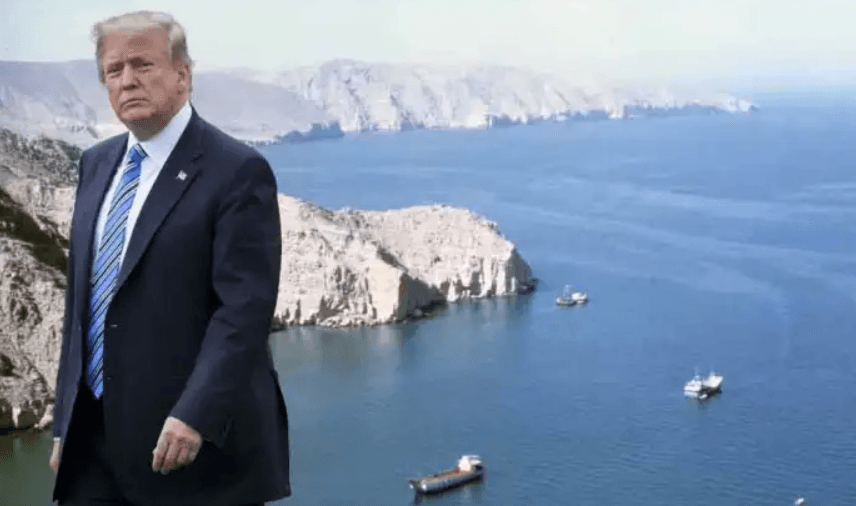
Donald Trump urged other countries to step in to secure the Strait of Hormuz, stressing that the United States alone would not protect the vital waterway. He said he was in talks with about seven countries to help reopen the route, citing China and other countries' dependence on the region's oil. The US president warned that an upcoming summit with Xi Jinping would be postponed if Beijing did not cooperate, and described the future of NATO as "very bad."
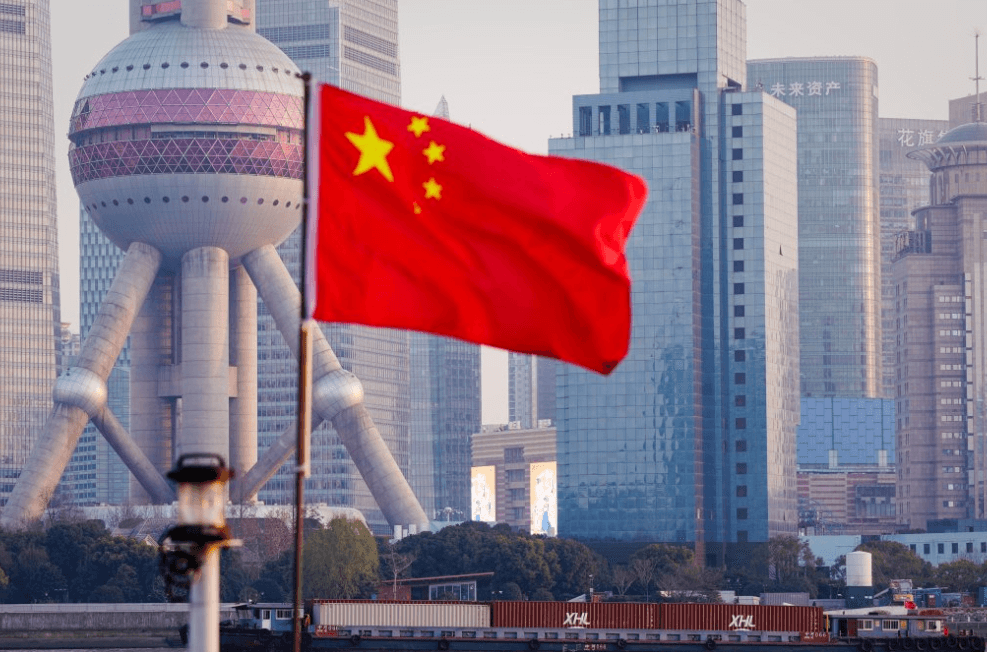
China's official data shows industrial production and investment grew strongly in the first two months of 2026, but this growth is now overshadowed by the escalating Iran war. While retail and infrastructure sectors performed better than expected, surging oil prices and disruptions to international trade have darkened the outlook for Chinese exports. Beijing is now cautiously delaying economic stimulus measures to assess the impact of the Middle East crisis.
Major New Zealand banks have warned that the Iran war will push the country's inflation to 3.6% in the second quarter, exceeding the central bank's 1-3% target range. As a result, investors are now pricing in a possible interest rate hike as early as May. This comes just weeks after the central bank had forecast inflation at 2.3% for the end of the year.
The Swiss National Bank faces growing pressure to curb investor demand for the franc as a safe haven amid the Iran war ahead of Thursday's decision. The bank is expected to keep interest rates at zero percent, but officials appear ready to intensify their rhetoric on currency intervention to prevent further appreciation. The Swiss franc has become Europe's strongest major currency against the dollar this year, threatening inflation and exporters.
Global stock markets rallied as oil prices declined and volatility subsided ahead of the Federal Reserve's Wednesday meeting. The S&P 500 posted its first back-to-back gain since the Iranian war began, while Brent crude fell 0.6% to $102.84 per barrel. Analysts say that with oil stabilizing, market focus has shifted from monetary policy to geopolitical developments.
The Federal Reserve's interest rate determination meeting will be held tonight, with rates expected to remain steady at 3.75%. This will be Mr. Powell's last meeting. The session will also include new economic forecasts, and due to the oil price shock, Mr. Powell will face a wave of questions regarding the weak February employment report and the oil price shock. Powell is likely to emphasize a wait-and-see approach.
Australia's central bank raised its interest rate for the second consecutive month in an unexpected move, increasing it to 4.1 percent by a 5 to 4 vote. The decision was driven by intensifying inflationary pressures resulting from rising energy costs due to the Iran war. The Reserve Bank warned that inflation may remain above its 2 to 3 percent target range for longer than previously anticipated, with some economists forecasting the country's inflation rate could reach 5 percent.
Goldman Sachs investment bank warned that the impact of the Middle East war on refined products like jet fuel and diesel has been greater than on crude oil. According to the report, while Brent crude prices have exceeded 100 dollars per barrel, fuel costs in parts of Asia have doubled. This disruption stems from the near complete halt of
Gold prices have stabilized above 5,000 dollars per ounce amid geopolitical tensions and inflation concerns driven by rising energy costs. The precious metal has gained about 16 percent since the beginning of this year. Demand in China remains strong, with Chinese investors adding more than 17 billion yuan (equivalent to 2.5 billion dollars) to gold exchange traded funds since the Lunar New Year holiday.
Donald Trump postponed his meeting with Xi Jinping by about 1 to 2 months due to the US involvement in the Iran war. While the delay introduces some uncertainty in relations, it gives China more time to reassess its position amid Middle East tensions. Officials say the pause is unlikely to have a major impact on the overall economic relationship.
Donald Trump urged other countries to step in to secure the Strait of Hormuz, stressing that the United States alone would not protect the vital waterway. He said he was in talks with about seven countries to help reopen the route, citing China and other countries' dependence on the region's oil. The US president warned that an upcoming summit with Xi Jinping would be postponed if Beijing did not cooperate, and described the future of NATO as "very bad."
China's official data shows industrial production and investment grew strongly in the first two months of 2026, but this growth is now overshadowed by the escalating Iran war. While retail and infrastructure sectors performed better than expected, surging oil prices and disruptions to international trade have darkened the outlook for Chinese exports. Beijing is now cautiously delaying economic stimulus measures to assess the impact of the Middle East crisis.
Major New Zealand banks have warned that the Iran war will push the country's inflation to 3.6% in the second quarter, exceeding the central bank's 1-3% target range. As a result, investors are now pricing in a possible interest rate hike as early as May. This comes just weeks after the central bank had forecast inflation at 2.3% for the end of the year.