
MondFx News

The Swiss National Bank faces growing pressure to curb investor demand for the franc as a safe haven amid the Iran war ahead of Thursday's decision. The bank is expected to keep interest rates at zero percent, but officials appear ready to intensify their rhetoric on currency intervention to prevent further appreciation. The Swiss franc has become Europe's strongest major currency against the dollar this year, threatening inflation and exporters.

Latest News
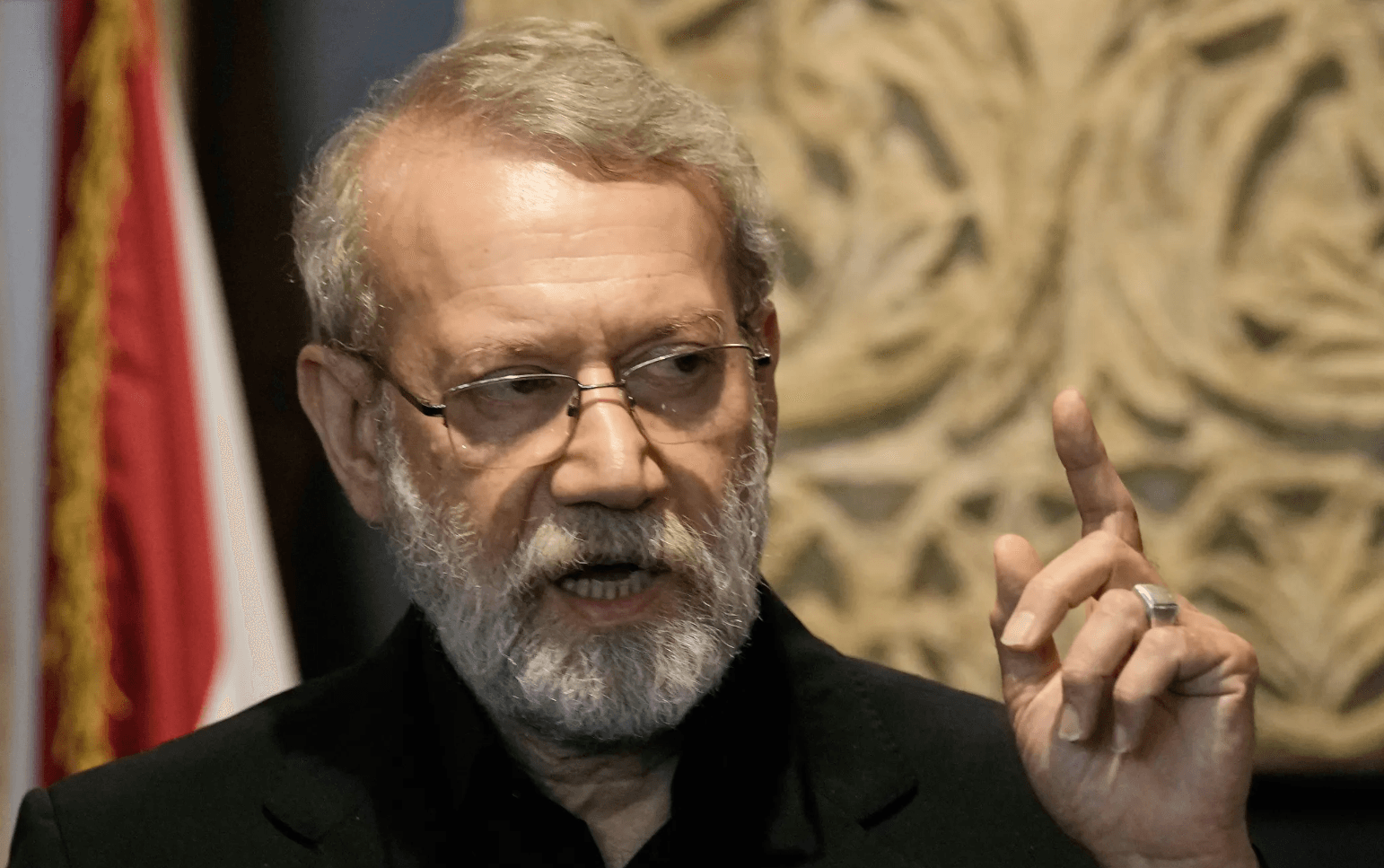
Iranian missile and drone strikes on Israel and Arab states in the Persian Gulf, including the UAE, Saudi Arabia, and Kuwait, continued for the third consecutive day. These attacks followed Iran's confirmation of the assassination of its national security chief, Ali Larijani, in an Israeli strike. Meanwhile, Trump announced that the US would soon be ready to end the war, and a strike also targeted an area near the Bushehr nuclear power plant, which Russia reported was without casualties.
The Wall Street Journal reported that Russia is seeking to bolster Iran's military capabilities amid tensions with the US and Israel by providing satellite imagery and advanced drone technology. According to the report, Moscow seeks to prolong the war in the region for political and economic benefits, and the shared technology includes improved components for Shahed drones with better navigation and communication systems.
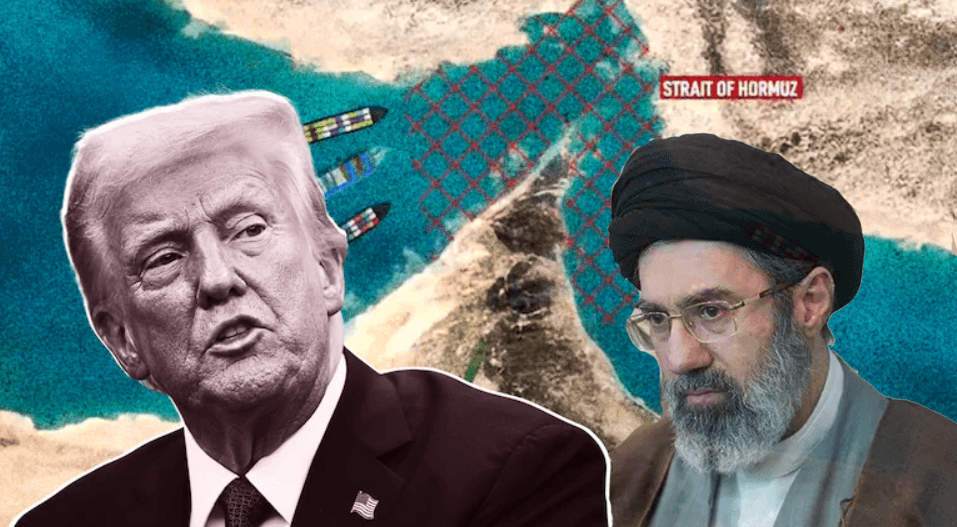
US President Donald Trump said his country does not know whether Ayatollah Mojtaba Khamenei, Iran's new leader, is still alive. Meanwhile, US allies have shown reluctance to respond to Washington's request for help in escorting ships through the Strait of Hormuz. According to some reports, US Special Envoy Steve Witkoff and Iranian Foreign Minister Abbas Araghchi are in contact via the Signal messaging app. Separately, Iran linked maritime traffic in the Strait of Hormuz has reached its highest level since the start of the war.
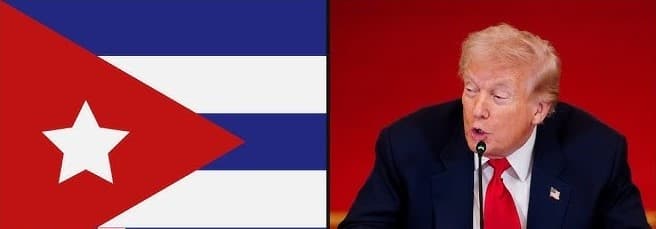
Donald Trump has announced that negotiations with Cuba are underway, but no serious action will be taken regarding the country until the war with Iran is concluded. Simultaneously, with the intensification of U.S. sanctions and the cutoff of fuel supplies to Cuba, sporadic protests have escalated on the island. Cuba has confirmed it is in talks with the U.S. regarding "potential solutions" to bilateral disputes, while simultaneously bolstering its defensive capabilities.
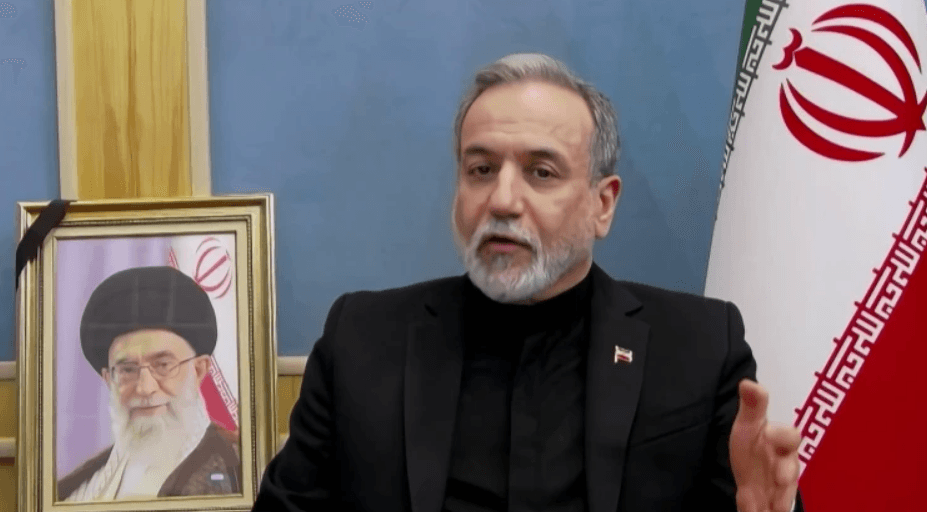
The Islamic Republic of Iran has rejected Donald Trump's call for a ceasefire and intensified its missile and drone attacks on the UAE and Saudi Arabia. Following an Iranian drone strike on a fuel tank at Dubai Airport, flights were suspended for several hours, and the key oil port of Fujairah was targeted for the second time in three days. With the Strait of Hormuz remaining effectively closed, Brent crude oil prices have surged past $105 per barrel, pushing the region closer to total chaos as tensions enter the seventeenth day of the war.
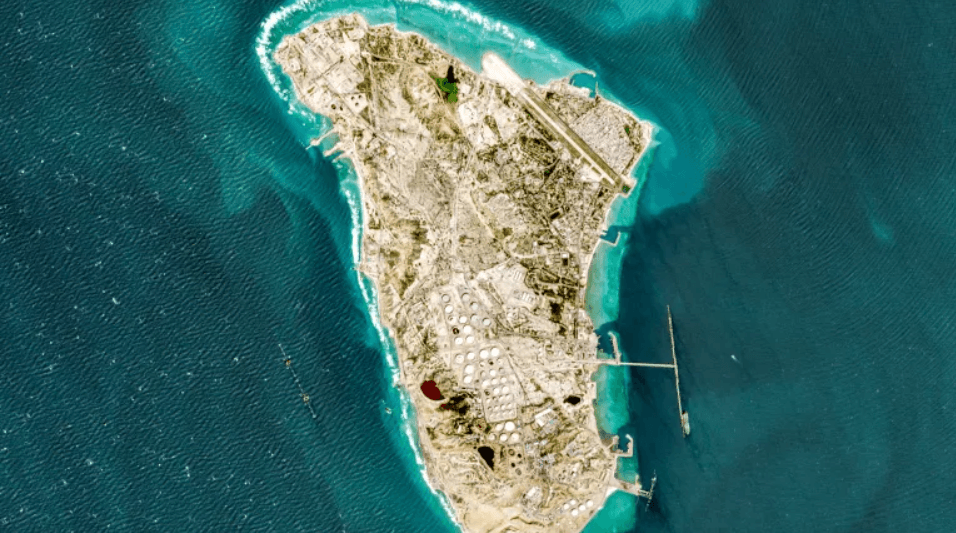
The US strike on military targets on Kharg Island has raised concerns in oil markets, as the island handles roughly 90% of Iran’s crude oil exports. Trump said oil infrastructure was intentionally spared but warned that it could become a target if Iran disrupts shipping through the Strait of Hormuz. Analysts say any serious damage to the Kharg export terminal could disrupt Iran’s oil exports and push global oil prices even higher.
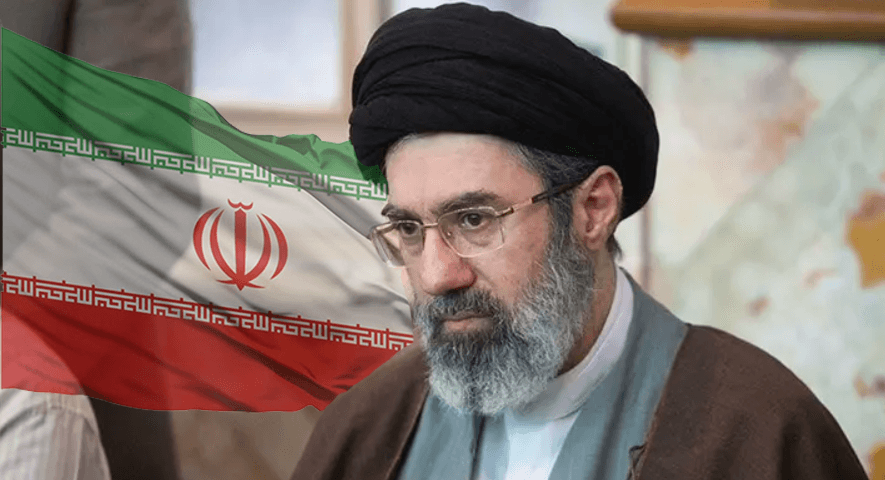
Ayatollah Mojtaba Khamenei released his first official statement, largely repeating the positions of the previous leader. He emphasized the need to keep the Strait of Hormuz closed, describing it as a key leverage point. He also stated that the enemy must compensate for the damage inflicted; otherwise, Iran would retaliate by targeting their assets in the region. There are no signs of a potential agreement, and references to the Strait of Hormuz pushed oil prices up by about $2.
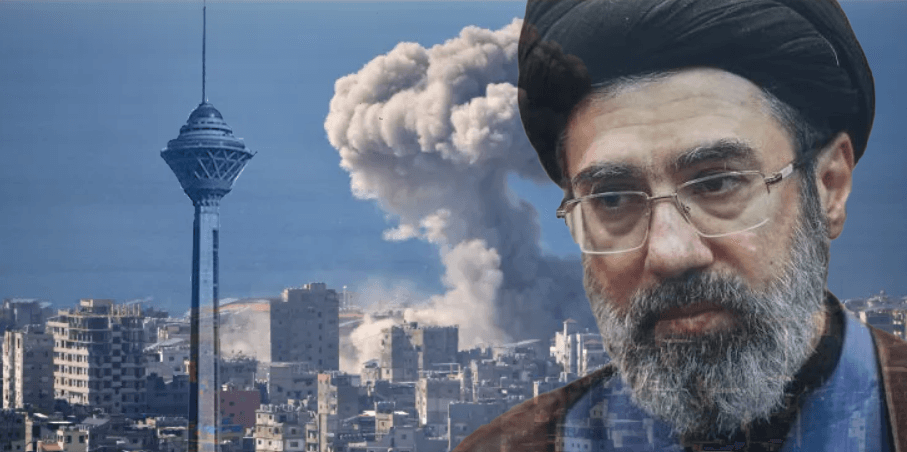
Following the assassination of Ayatollah Khamenei, the former leader of the Islamic Republic, the regime announced Mojtaba Khamenei as his successor. However, several days later, he has not delivered any speech or statement clarifying his positions. Trump has repeatedly called Mojtaba Khamenei’s leadership unacceptable, stating, “we will see what happens.” According to reports, Mojtaba Khamenei was seriously injured in the first-day attack, and his health status remains unclear. Pete Hegseth, the US Secretary of Defense, has also not commented on his condition. Meanwhile, attacks from both sides continue, and early Wednesday one branch of Bank Sepah in Iran was attacked. In response, a spokesperson for Khatam al-Anbiya Headquarters threatened that Israeli and American banks in the region would be targeted.
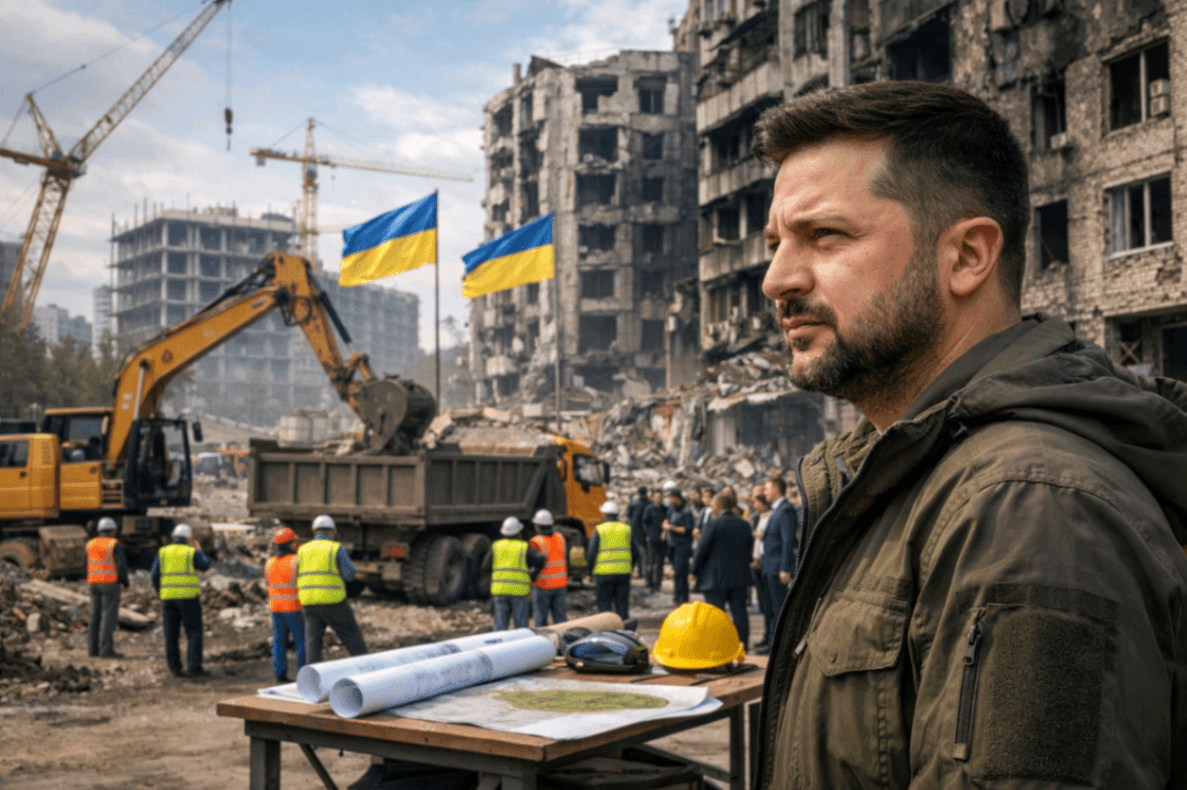
Ukraine’s chief negotiator said participants in the Geneva talks consulted with Volodymyr Zelensky about the course of discussions and that the main focus of these negotiations has been on the issue of Ukraine’s post war reconstruction. He stressed that under current conditions the priority for all sides is to make upcoming trilateral meetings as productive as possible so that final frameworks in the security and economic fields can be defined and stabilized.
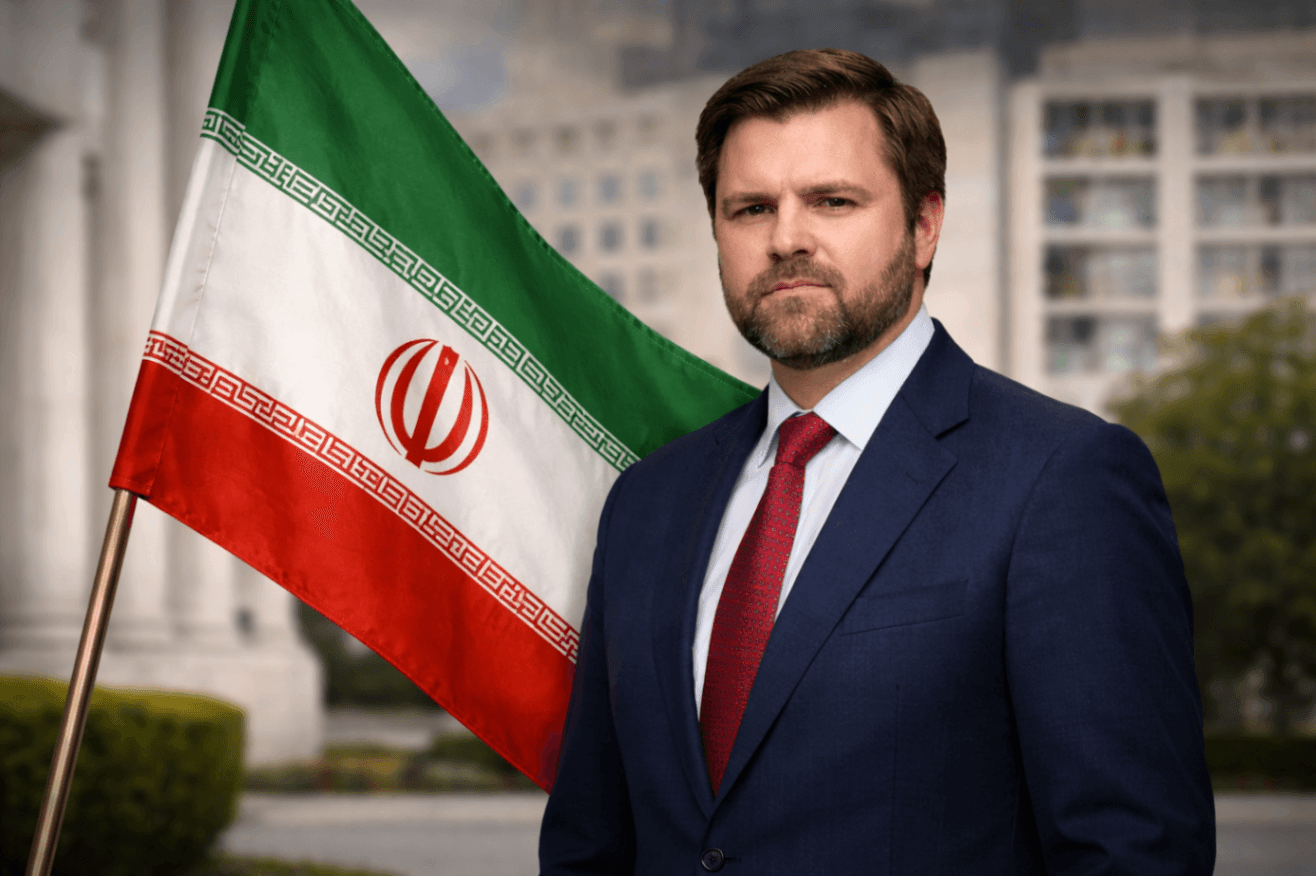
The third round of Iran US negotiations was held in Oman. According to reports, the Americans entered with strict conditions and the Islamic Republic’s proposal is inconsistent with US demands. Reports say that today Oman’s foreign minister will meet with Vance in Washington. J.D. Vance said in an interview with The Washington Post that the United States will not enter a long term war with Iran. Meanwhile, the idea of a Trump strike on Iran without congressional authorization has been raised and has faced criticism from Democrats. Oil, which had risen last night on disappointment over the talks, fell again after a tweet by Oman’s foreign minister signaled progress in negotiations.
Iranian missile and drone strikes on Israel and Arab states in the Persian Gulf, including the UAE, Saudi Arabia, and Kuwait, continued for the third consecutive day. These attacks followed Iran's confirmation of the assassination of its national security chief, Ali Larijani, in an Israeli strike. Meanwhile, Trump announced that the US would soon be ready to end the war, and a strike also targeted an area near the Bushehr nuclear power plant, which Russia reported was without casualties.
The Wall Street Journal reported that Russia is seeking to bolster Iran's military capabilities amid tensions with the US and Israel by providing satellite imagery and advanced drone technology. According to the report, Moscow seeks to prolong the war in the region for political and economic benefits, and the shared technology includes improved components for Shahed drones with better navigation and communication systems.
US President Donald Trump said his country does not know whether Ayatollah Mojtaba Khamenei, Iran's new leader, is still alive. Meanwhile, US allies have shown reluctance to respond to Washington's request for help in escorting ships through the Strait of Hormuz. According to some reports, US Special Envoy Steve Witkoff and Iranian Foreign Minister Abbas Araghchi are in contact via the Signal messaging app. Separately, Iran linked maritime traffic in the Strait of Hormuz has reached its highest level since the start of the war.
Donald Trump has announced that negotiations with Cuba are underway, but no serious action will be taken regarding the country until the war with Iran is concluded. Simultaneously, with the intensification of U.S. sanctions and the cutoff of fuel supplies to Cuba, sporadic protests have escalated on the island. Cuba has confirmed it is in talks with the U.S. regarding "potential solutions" to bilateral disputes, while simultaneously bolstering its defensive capabilities.
The Islamic Republic of Iran has rejected Donald Trump's call for a ceasefire and intensified its missile and drone attacks on the UAE and Saudi Arabia. Following an Iranian drone strike on a fuel tank at Dubai Airport, flights were suspended for several hours, and the key oil port of Fujairah was targeted for the second time in three days. With the Strait of Hormuz remaining effectively closed, Brent crude oil prices have surged past $105 per barrel, pushing the region closer to total chaos as tensions enter the seventeenth day of the war.
The US strike on military targets on Kharg Island has raised concerns in oil markets, as the island handles roughly 90% of Iran’s crude oil exports. Trump said oil infrastructure was intentionally spared but warned that it could become a target if Iran disrupts shipping through the Strait of Hormuz. Analysts say any serious damage to the Kharg export terminal could disrupt Iran’s oil exports and push global oil prices even higher.
Ayatollah Mojtaba Khamenei released his first official statement, largely repeating the positions of the previous leader. He emphasized the need to keep the Strait of Hormuz closed, describing it as a key leverage point. He also stated that the enemy must compensate for the damage inflicted; otherwise, Iran would retaliate by targeting their assets in the region. There are no signs of a potential agreement, and references to the Strait of Hormuz pushed oil prices up by about $2.
Following the assassination of Ayatollah Khamenei, the former leader of the Islamic Republic, the regime announced Mojtaba Khamenei as his successor. However, several days later, he has not delivered any speech or statement clarifying his positions. Trump has repeatedly called Mojtaba Khamenei’s leadership unacceptable, stating, “we will see what happens.” According to reports, Mojtaba Khamenei was seriously injured in the first-day attack, and his health status remains unclear. Pete Hegseth, the US Secretary of Defense, has also not commented on his condition. Meanwhile, attacks from both sides continue, and early Wednesday one branch of Bank Sepah in Iran was attacked. In response, a spokesperson for Khatam al-Anbiya Headquarters threatened that Israeli and American banks in the region would be targeted.
Ukraine’s chief negotiator said participants in the Geneva talks consulted with Volodymyr Zelensky about the course of discussions and that the main focus of these negotiations has been on the issue of Ukraine’s post war reconstruction. He stressed that under current conditions the priority for all sides is to make upcoming trilateral meetings as productive as possible so that final frameworks in the security and economic fields can be defined and stabilized.
The third round of Iran US negotiations was held in Oman. According to reports, the Americans entered with strict conditions and the Islamic Republic’s proposal is inconsistent with US demands. Reports say that today Oman’s foreign minister will meet with Vance in Washington. J.D. Vance said in an interview with The Washington Post that the United States will not enter a long term war with Iran. Meanwhile, the idea of a Trump strike on Iran without congressional authorization has been raised and has faced criticism from Democrats. Oil, which had risen last night on disappointment over the talks, fell again after a tweet by Oman’s foreign minister signaled progress in negotiations.