


Australia’s inflation came in above expectations

- SNB to Show Its Resolve on Franc Strength Amid Safe-Haven DemandSource03/18/2026
- Markets Rally as Oil Drops in Runup to Fed MeetingSource03/18/2026
- Powell's Final FOMC Meeting Takes Place TonightSource03/18/2026
- RBA Hikes Interest Rate to 4.1 Percent in Split DecisionSource03/17/2026
- Goldman Sachs: Refined Fuels Hit Harder by Oil Market DisruptionSource03/17/2026
- Global Gold Steadies Above 5,000 DollarsSource03/17/2026
- Trump Delays Xi Meeting, Giving China Strategic Breathing RoomSource03/17/2026
- Trump Calls on Other Countries to Help Open Strait of HormuzSource03/16/2026
- China's Economy Shows Strong Growth but Iran War Clouds OutlookSource03/16/2026
- New Zealand Inflation to Breach Central Bank TargetSource03/16/2026
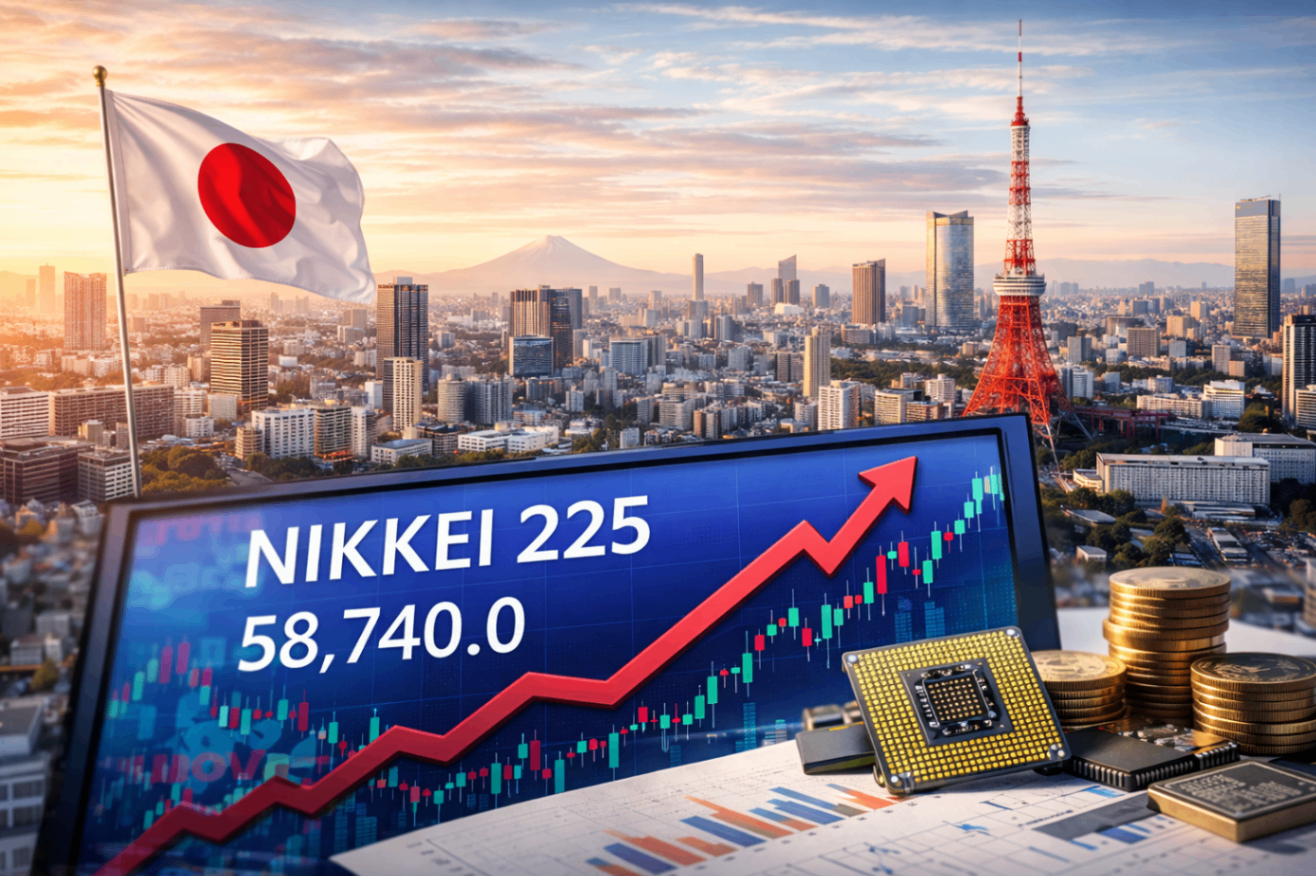
- The Nikkei index recorded a new ATH
 منبع خبر02/25/2026
The Nikkei 225 rose 1.4% to 58,740, setting a fresh all time record, with gains supported by renewed demand for technology and semiconductor stocks. The weakening yen against the US dollar has strengthened the profitability of Japan’s export oriented companies and is seen as one of the key drivers of the rally. Reports from Sanae Takaichi’s meeting with the Bank of Japan indicate the government remains cautious about raising interest rates, boosting expectations that supportive policies will continue. Meanwhile, Donald Trump’s speech in the United States failed to provide a new catalyst for global markets, prompting part of international liquidity to shift toward Asian markets, especially Japan.
- Japan calls for more restrictive policy
 منبع خبر02/25/2026
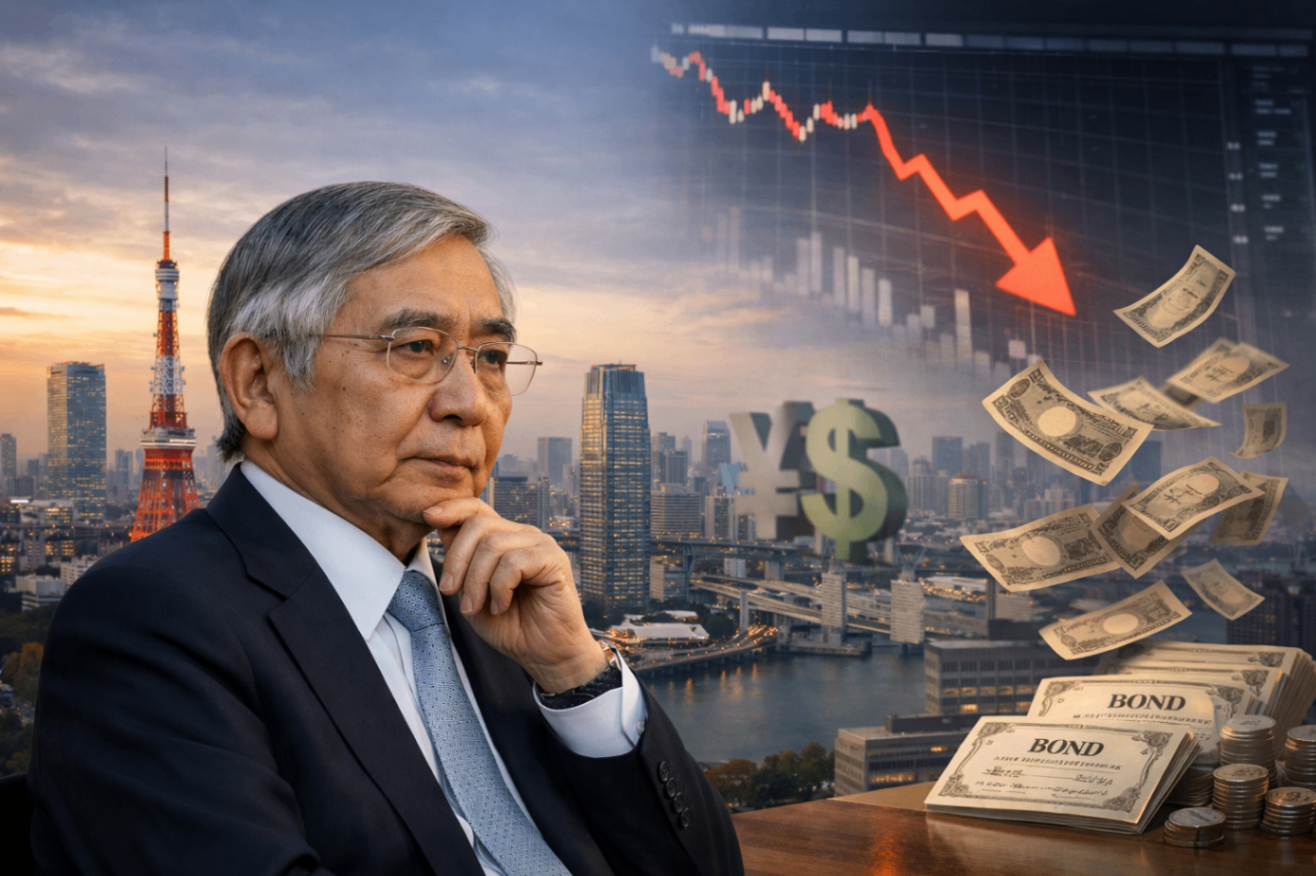
Haruhiko Kuroda, the former governor of the Bank of Japan, said the country’s economy is in a strong position but needs tighter monetary and fiscal policies to contain inflation risks. Kuroda suggested the central bank could raise interest rates twice per year in 2026 to 2027, bringing them to around 1.5 to 1.75%. He warned that government spending and tax cuts under Sanae Takaichi could intensify inflationary pressures and push bond yields higher. Kuroda also described the yen’s depreciation to around 167 per dollar as excessively weak and a factor that could further fuel inflation.
- The Leader of Islamic Republic called the recent protests a seditionSource02/01/2026
- NFP Report Will Not Be Released This WeekSource02/03/2026
- Standard Chartered Forecast for Bitcoin in 2026Source02/13/2026
- SNB to Show Its Resolve on Franc Strength Amid Safe-Haven DemandSource03/18/2026
- Lowest Interest Rate in China’s HistorySource02/03/2026