


China’s PMI Enters Contraction Territory

- Assassination of Ali Larijani and IRGC's RevengeSource03/18/2026
- Russia Provides Iran with Satellite Intelligence and Advanced Drone TechnologySource03/18/2026
- Trump: US Unsure If Iran's New Leader Is Alive / Allies Wary of Helping in HormuzSource03/17/2026
- Trump: I'll end the war with Iran, then I'll go to CubaSource03/16/2026
- Iran Rejects Ceasefire Call, Intensifies AttacksSource03/16/2026
- US Military Strike on Kharg IslandSource03/15/2026
- Iran’s New Supreme Leader Issues First StatementSource03/13/2026
- Latest Status of the Iran ConflictSource03/12/2026
- Focus on Ukraine’s Post War ReconstructionSource02/27/2026
- Vance Enters Iran NegotiationsSource02/27/2026
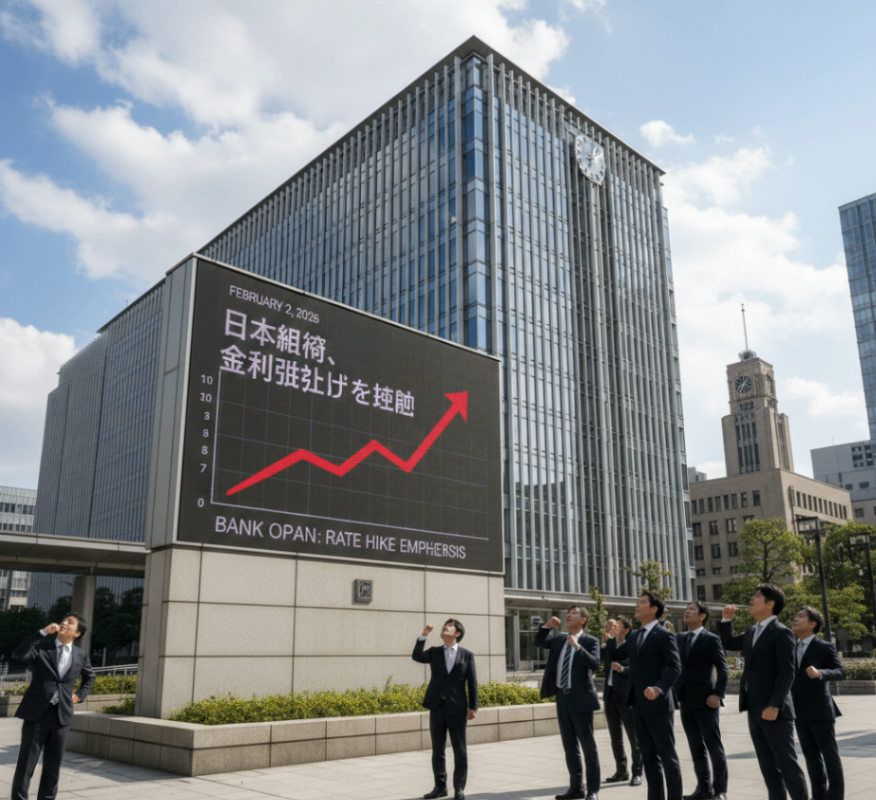
- Bank of Japan Emphasizes Interest Rate Hikes
 منبع خبر02/02/2026
The minutes of the Bank of Japan indicate that the central bank has become more sensitive to the urgency of raising interest rates. These concerns are mainly driven by the weakening of the yen and its impact on inflation. Recent movements in the yen have challenged the downward trend in inflation, and one member emphasized that given the immediate priority of price stability, the bank should not spend too much time assessing the effects of rate hikes and should take the next step, a rate increase, without losing the appropriate timing. As a result, markets see a higher probability of an interest rate hike in April.
- Reserve Bank of Australia Prepares for a Rate Increase
 منبع خبر02/02/2026
The Reserve Bank of Australia is likely to approve an interest rate hike to 3.85 percent this week, moving against the global trend. This shift in stance comes in response to stubborn inflation, an unexpected decline in the unemployment rate, and rising housing prices. This would be the first rate increase since November 2023. Stephen Miller, an investment strategist at GSFM, said, “Inflation is a clear risk, and addressing this risk now through an interest rate increase may be the most appropriate response. Failing to do so could require more aggressive use of interest rate tools in the future.” The final decision will be announced on Tuesday.
- The Leader of Islamic Republic called the recent protests a seditionSource02/01/2026
- NFP Report Will Not Be Released This WeekSource02/03/2026
- Standard Chartered Forecast for Bitcoin in 2026Source02/13/2026
- SNB to Show Its Resolve on Franc Strength Amid Safe-Haven DemandSource03/18/2026
- Lowest Interest Rate in China’s HistorySource02/03/2026