
Trump Tariffs Revoked
- SNB to Show Its Resolve on Franc Strength Amid Safe-Haven DemandSource03/18/2026
- Markets Rally as Oil Drops in Runup to Fed MeetingSource03/18/2026
- Powell's Final FOMC Meeting Takes Place TonightSource03/18/2026
- RBA Hikes Interest Rate to 4.1 Percent in Split DecisionSource03/17/2026
- Goldman Sachs: Refined Fuels Hit Harder by Oil Market DisruptionSource03/17/2026
- Global Gold Steadies Above 5,000 DollarsSource03/17/2026
- Trump Delays Xi Meeting, Giving China Strategic Breathing RoomSource03/17/2026
- Trump Calls on Other Countries to Help Open Strait of HormuzSource03/16/2026
- China's Economy Shows Strong Growth but Iran War Clouds OutlookSource03/16/2026
- New Zealand Inflation to Breach Central Bank TargetSource03/16/2026
- Trump: I Will Reimpose Tariffs
 منبع خبر02/22/2026
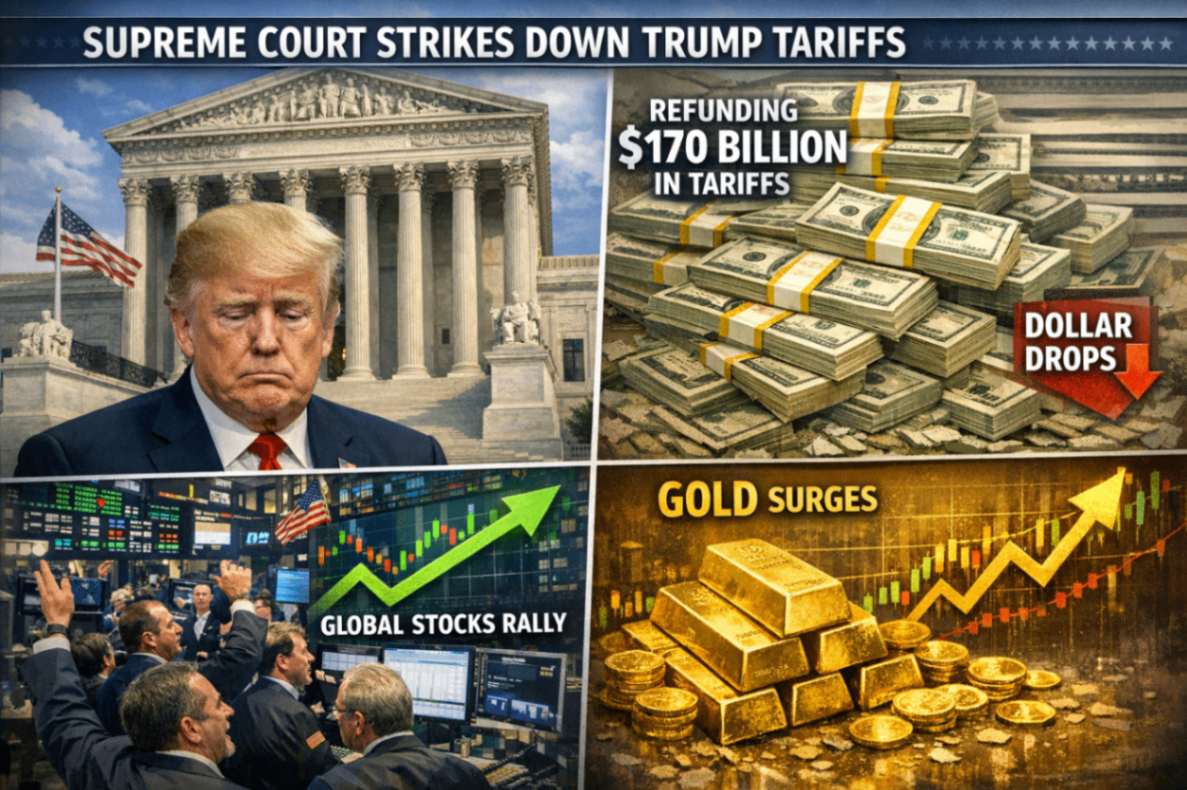
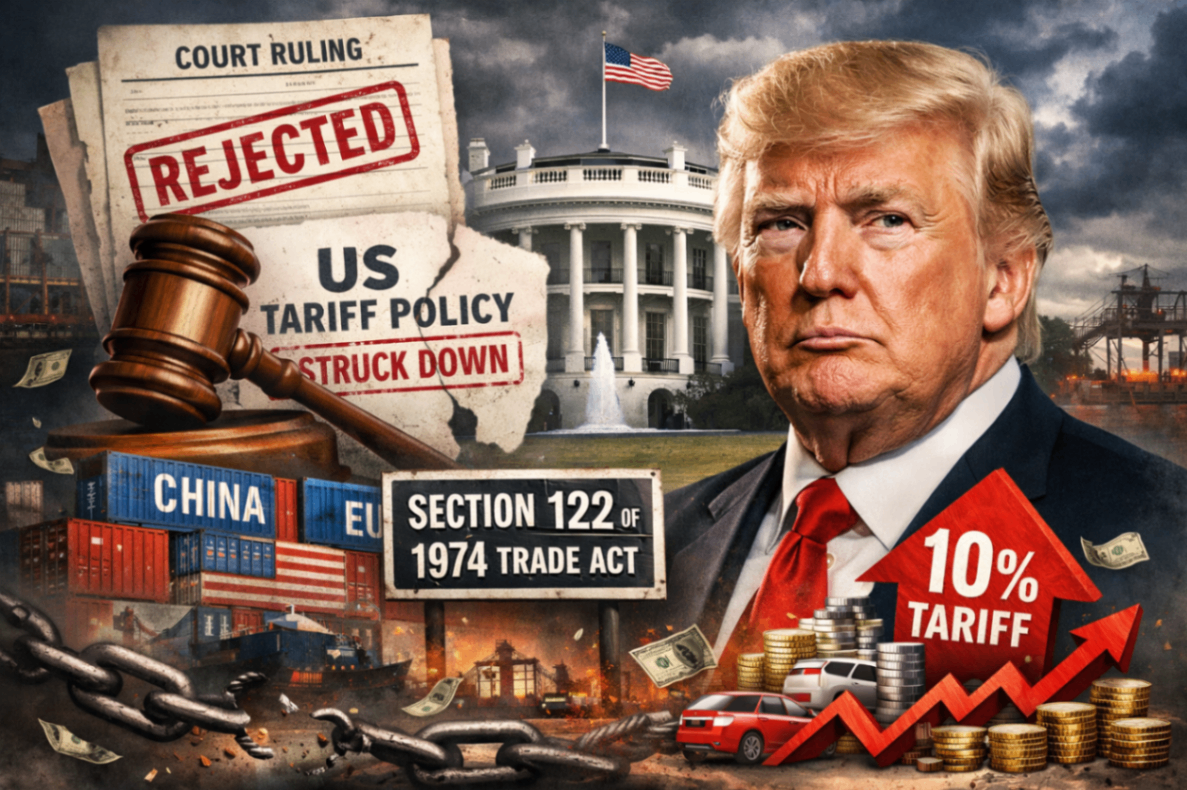
The court ruling invalidates a large portion of Trump administration tariff policies in its second term, but other legal avenues to impose tariffs remain available to the White House. Trump called the ruling regrettable and stated he intends to rely on other trade laws, including Section 122 of the Trade Act of 1974, to impose tariffs of around 10% on foreign goods. However, these alternative paths are usually more time consuming and come with greater legal limitations, therefore implementing tariffs quickly and broadly, as in the past, will be more difficult.
- US Growth Slowed by Government Shutdown
 منبع خبر02/22/2026
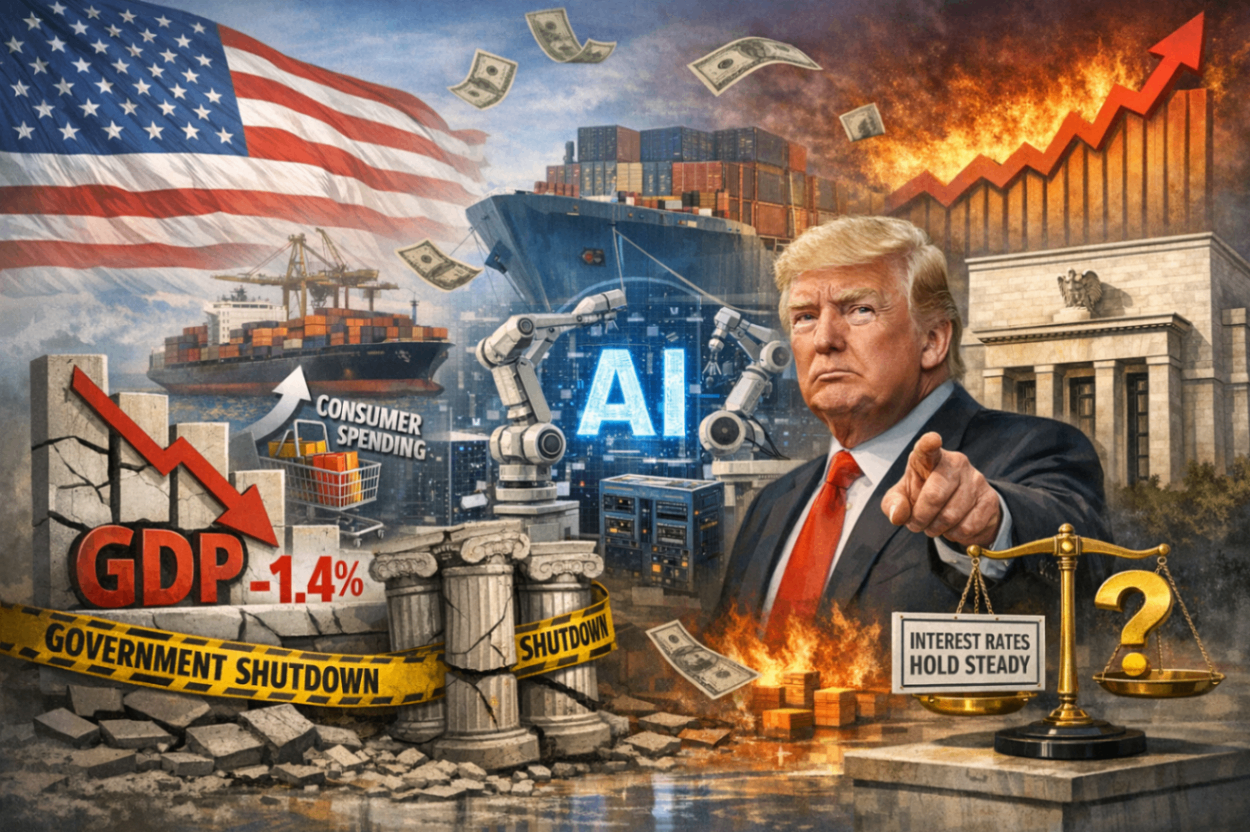
US economic growth in the fourth quarter came in below expectations, with annualized GDP rising only 1.4%. Data from the Bureau of Economic Analysis shows that the prolonged government shutdown and weaker trade were key factors behind this weakness. Despite the slowdown, the American consumer and heavy investment in artificial intelligence infrastructure have continued to support the economy. Donald Trump described the shutdown’s impact as significant, while core inflation remains elevated and complicates the monetary policy path. As a result, Federal Reserve officials currently prefer to keep interest rates unchanged until a clearer picture of inflation and growth emerges.
- The Leader of Islamic Republic called the recent protests a seditionSource02/01/2026
- NFP Report Will Not Be Released This WeekSource02/03/2026
- Standard Chartered Forecast for Bitcoin in 2026Source02/13/2026
- SNB to Show Its Resolve on Franc Strength Amid Safe-Haven DemandSource03/18/2026
- Lowest Interest Rate in China’s HistorySource02/03/2026