


UK Economic Growth Falls Short of Expectations
- SNB to Show Its Resolve on Franc Strength Amid Safe-Haven DemandSource03/18/2026
- Markets Rally as Oil Drops in Runup to Fed MeetingSource03/18/2026
- Powell's Final FOMC Meeting Takes Place TonightSource03/18/2026
- RBA Hikes Interest Rate to 4.1 Percent in Split DecisionSource03/17/2026
- Goldman Sachs: Refined Fuels Hit Harder by Oil Market DisruptionSource03/17/2026
- Global Gold Steadies Above 5,000 DollarsSource03/17/2026
- Trump Delays Xi Meeting, Giving China Strategic Breathing RoomSource03/17/2026
- Trump Calls on Other Countries to Help Open Strait of HormuzSource03/16/2026
- China's Economy Shows Strong Growth but Iran War Clouds OutlookSource03/16/2026
- New Zealand Inflation to Breach Central Bank TargetSource03/16/2026
- Markets and Economists Split on Europe’s Interest Rate Outlook
 منبع خبر03/13/2026
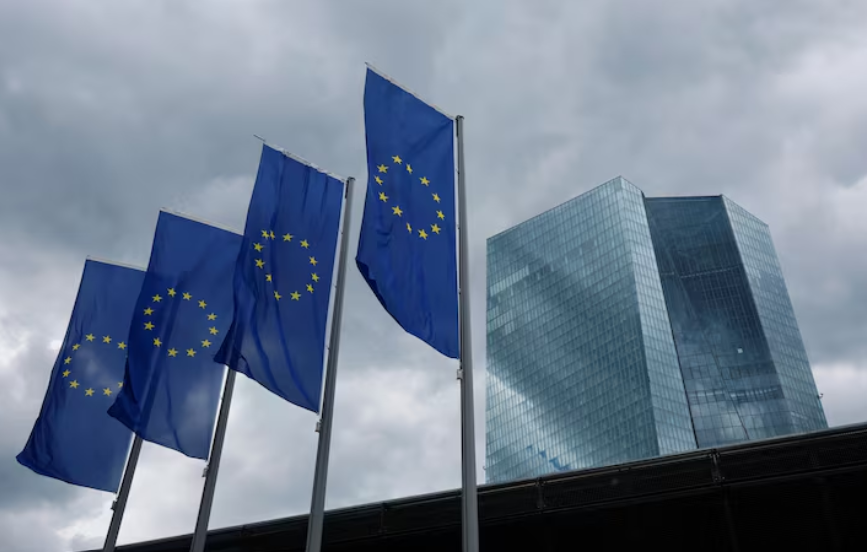
According to a Bloomberg survey, many economists expect the European Central Bank to keep interest rates unchanged at least until 2027, while markets continue to price in the possibility of rate hikes this year. The disagreement largely stems from uncertainty about the duration of the Iran war and its impact on energy prices and inflation. Policymakers led by Christine Lagarde remain alert to the risk of another inflation shock following the surge in energy costs but prefer to wait and assess the real economic impact of the conflict and potential disruptions in the Strait of Hormuz. Most economists still believe that if inflation intensifies again, the ECB’s next move would more likely be a rate hike rather than a cut.
- Market Conditions: Oil Stabilizes While Stocks Decline
 منبع خبر03/13/2026
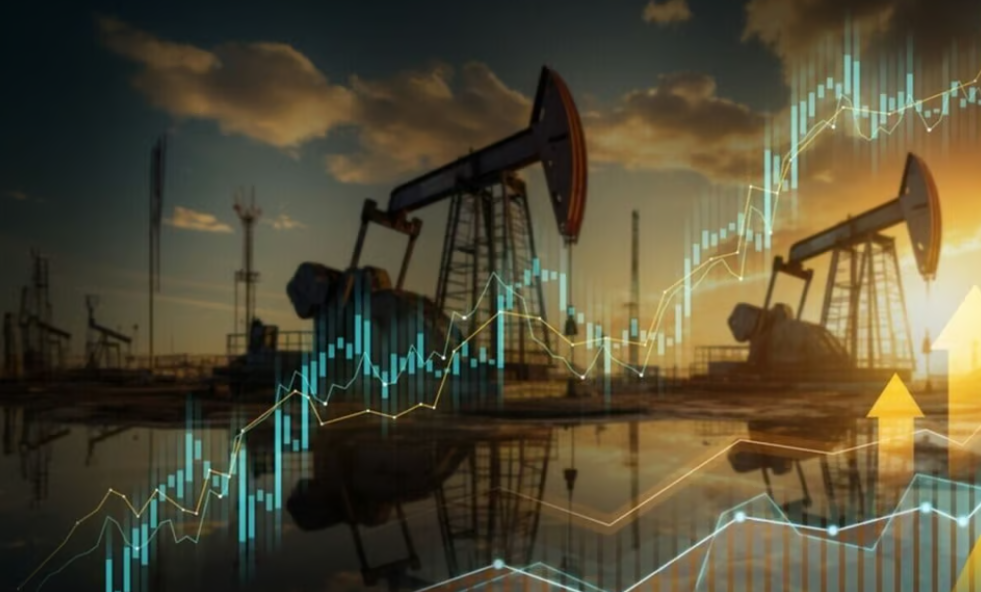
As oil price volatility eased, selling pressure in global equity markets slightly moderated, though concerns over an escalation of the Iran war continue to weigh on sentiment. The MSCI All Country World Index fell about 0.3%, while Brent crude traded around $100 per barrel after a sharp rally the previous day. Investors are also assessing measures taken by the administration of Donald Trump to curb energy prices, including the release of strategic reserves and a temporary waiver allowing purchases of Russian oil. However, Iran’s threat to keep the Strait of Hormuz closed has heightened fears of global supply disruptions, prompting markets to remain cautious about inflation risks and the future policy path of the Federal Reserve.
- The Leader of Islamic Republic called the recent protests a seditionSource02/01/2026
- NFP Report Will Not Be Released This WeekSource02/03/2026
- Standard Chartered Forecast for Bitcoin in 2026Source02/13/2026
- SNB to Show Its Resolve on Franc Strength Amid Safe-Haven DemandSource03/18/2026
- Lowest Interest Rate in China’s HistorySource02/03/2026