
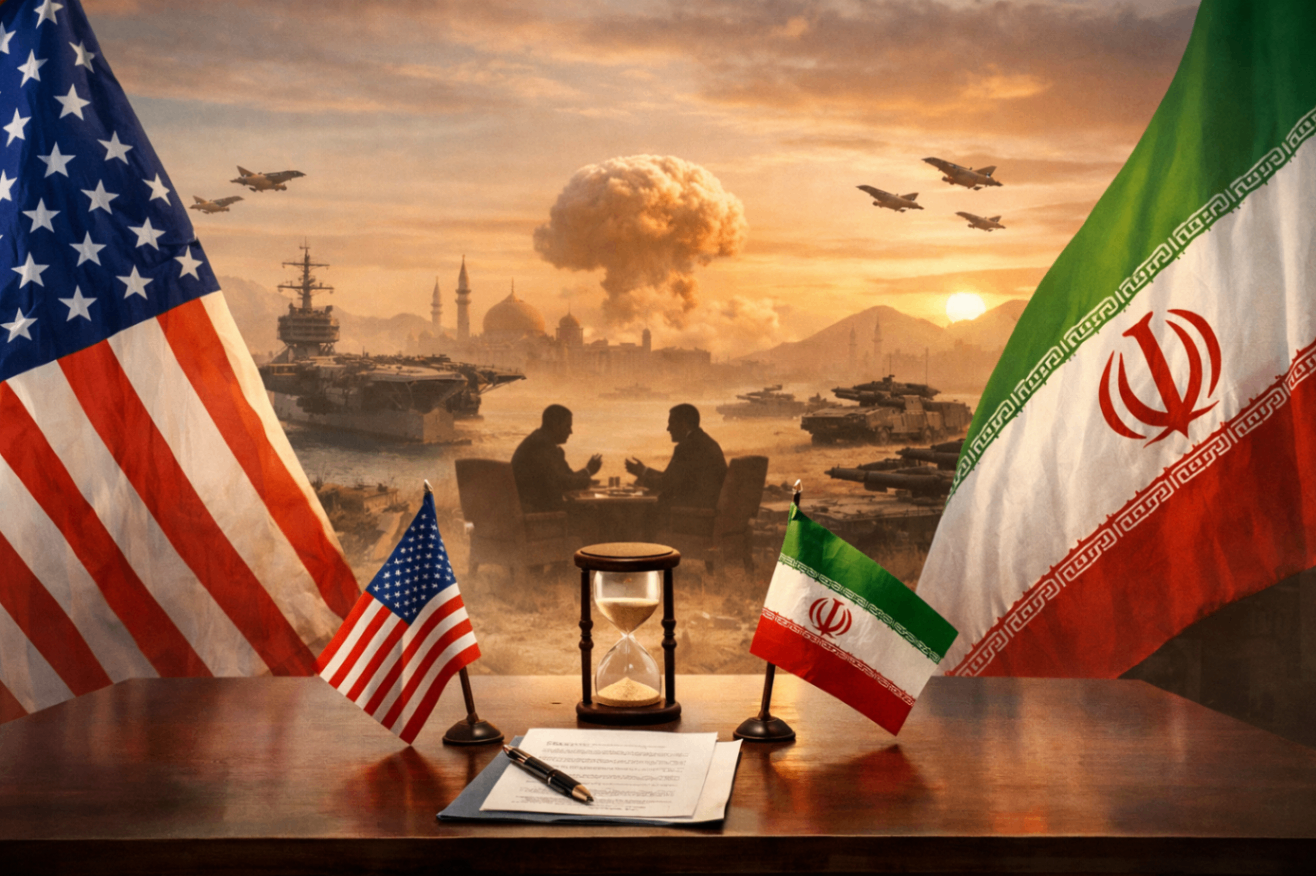

Goldman Sachs Raised Its Oil Forecast

- SNB to Show Its Resolve on Franc Strength Amid Safe-Haven DemandSource03/18/2026
- Markets Rally as Oil Drops in Runup to Fed MeetingSource03/18/2026
- Powell's Final FOMC Meeting Takes Place TonightSource03/18/2026
- RBA Hikes Interest Rate to 4.1 Percent in Split DecisionSource03/17/2026
- Goldman Sachs: Refined Fuels Hit Harder by Oil Market DisruptionSource03/17/2026
- Global Gold Steadies Above 5,000 DollarsSource03/17/2026
- Trump Delays Xi Meeting, Giving China Strategic Breathing RoomSource03/17/2026
- Trump Calls on Other Countries to Help Open Strait of HormuzSource03/16/2026
- China's Economy Shows Strong Growth but Iran War Clouds OutlookSource03/16/2026
- New Zealand Inflation to Breach Central Bank TargetSource03/16/2026
- New Zealand Retail Sales Beat Expectations
 منبع خبر02/23/2026
Retail spending in New Zealand grew beyond forecasts, signaling continued economic recovery at the end of 2025. According to Statistics New Zealand data, real sales increased by 0.9 percent in the fourth quarter, above economists’ estimate of 0.6 percent. The Reserve Bank of New Zealand has stated that the interest rate cutting cycle has ended and that it currently has no plans to raise rates, a factor that could support consumption. Westpac economists say spending growth has been concentrated in discretionary goods and tourism, while labor market weakness remains a risk to the continuation of this trend.
- Waller: The neutral interest rate may be higher
 منبع خبر02/24/2026
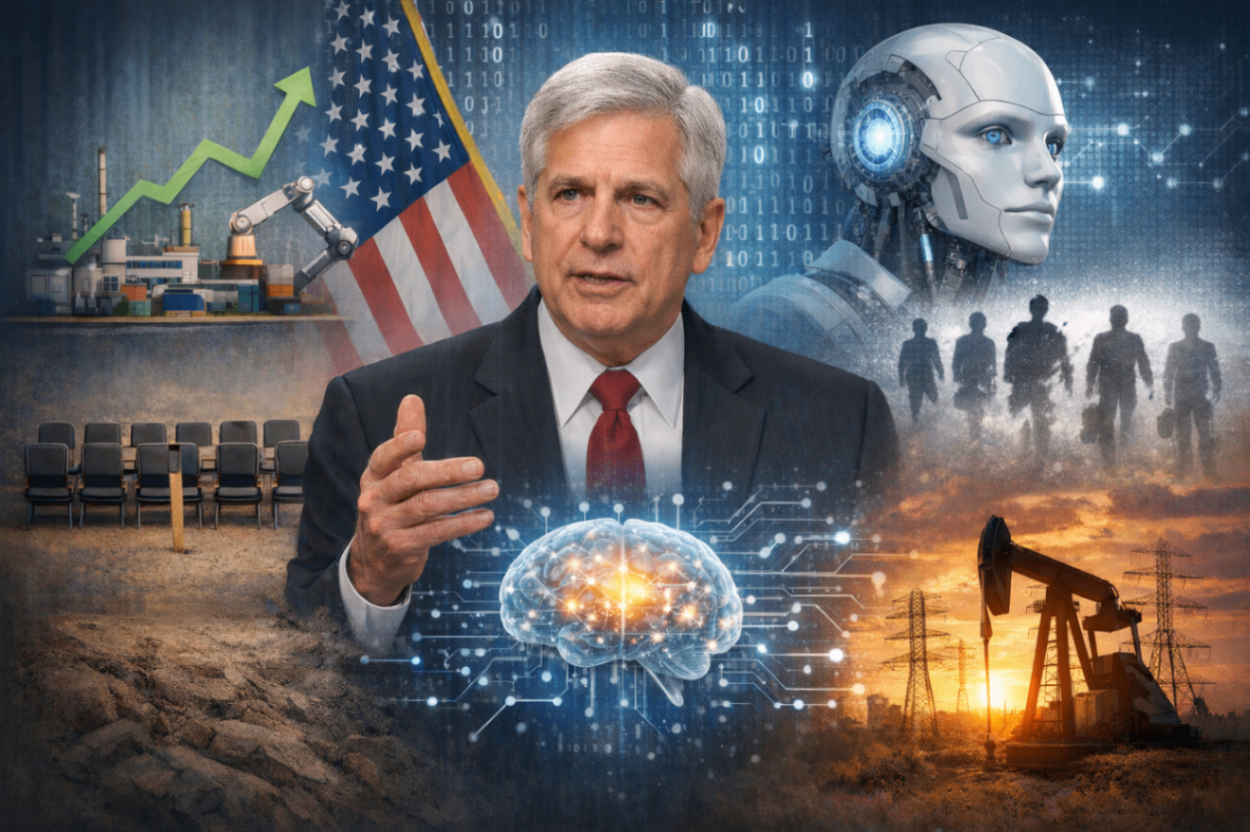
Christopher Waller, a member of the Federal Reserve, addressed two conflicting signals in the US economy: strong economic growth and rising productivity on one hand, and an almost complete halt in new job creation on the other. He noted that zero employment growth in some periods is not sustainable and said that forecasting the labor market outlook depends heavily on February data. Waller described artificial intelligence as playing a key role in future labor market changes and said predicting which jobs will disappear is easier than predicting new ones. He also identified energy shortages as the biggest obstacle to AI development in the United States..
- The Leader of Islamic Republic called the recent protests a seditionSource02/01/2026
- NFP Report Will Not Be Released This WeekSource02/03/2026
- Standard Chartered Forecast for Bitcoin in 2026Source02/13/2026
- SNB to Show Its Resolve on Franc Strength Amid Safe-Haven DemandSource03/18/2026
- Lowest Interest Rate in China’s HistorySource02/03/2026