


Fed Officials Comment on AI and Interest Rates

- SNB to Show Its Resolve on Franc Strength Amid Safe-Haven DemandSource03/18/2026
- Markets Rally as Oil Drops in Runup to Fed MeetingSource03/18/2026
- Powell's Final FOMC Meeting Takes Place TonightSource03/18/2026
- RBA Hikes Interest Rate to 4.1 Percent in Split DecisionSource03/17/2026
- Goldman Sachs: Refined Fuels Hit Harder by Oil Market DisruptionSource03/17/2026
- Global Gold Steadies Above 5,000 DollarsSource03/17/2026
- Trump Delays Xi Meeting, Giving China Strategic Breathing RoomSource03/17/2026
- Trump Calls on Other Countries to Help Open Strait of HormuzSource03/16/2026
- China's Economy Shows Strong Growth but Iran War Clouds OutlookSource03/16/2026
- New Zealand Inflation to Breach Central Bank TargetSource03/16/2026
- UK Inflation Report Was Not a Game Changer
 منبع خبر02/18/2026
UK inflation fell to 3% in January, the lowest level in 10 months, strengthening the case for a rate cut at the Bank of England’s March meeting. Lower fuel prices were the main driver of the decline, although services inflation remains relatively elevated. Members of the Monetary Policy Committee are divided over the timing of rate cuts, but recent data support a downward trend in price pressures. The central bank expects inflation to return to its 2% target in the spring, while signs of labor market weakness are also emerging.
- New Zealand Central Bank Holds Interest Rate Steady
 منبع خبر02/18/2026
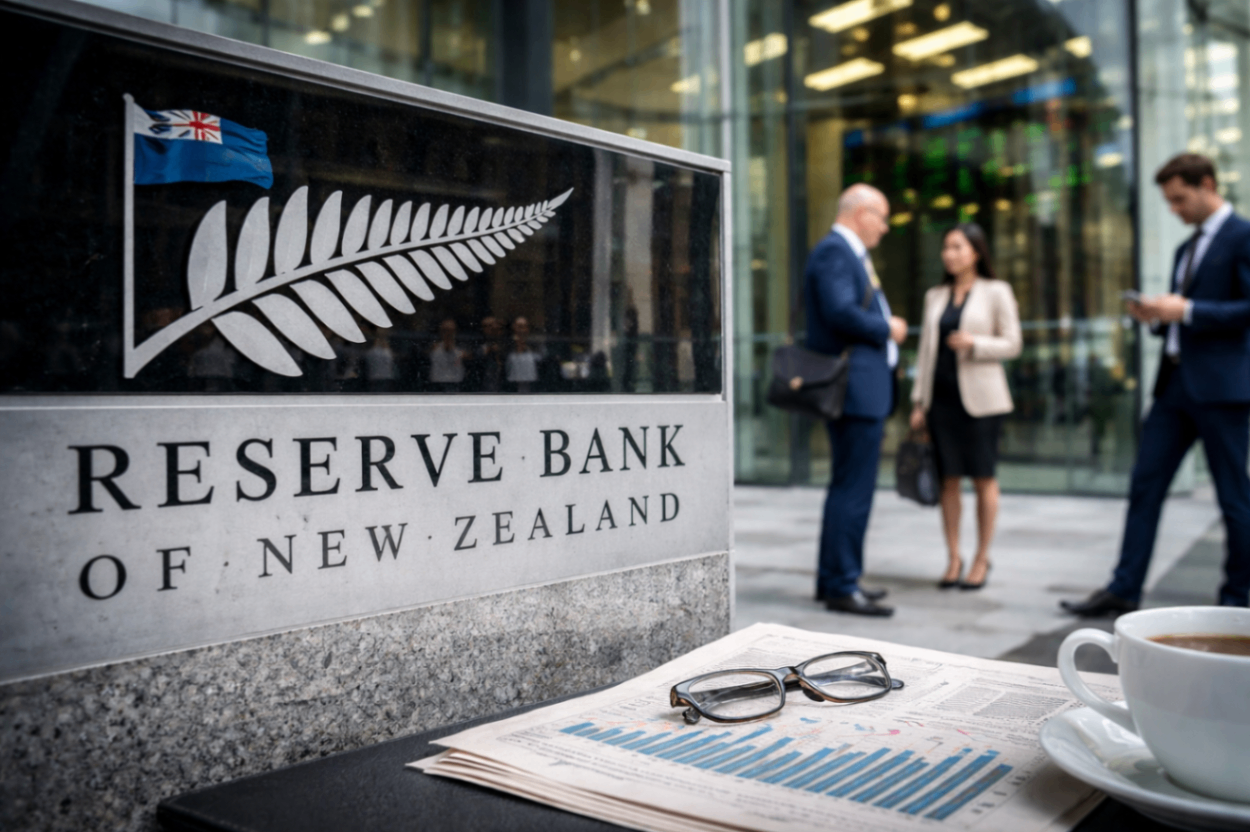
The Reserve Bank of New Zealand kept the interest rate at 2.25%, the lowest level in about three and a half years, and said monetary policy will remain supportive for now. Anna Breman said the economy is still in the early stages of recovery and that premature tightening could weaken growth. Markets, which had expected faster tightening, were disappointed, the New Zealand dollar weakened and expectations for a near-term rate hike declined. The bank forecasts inflation will fall to around 2.3% by the end of 2026, with possibly only a limited increase later in the year.
- The Leader of Islamic Republic called the recent protests a seditionSource02/01/2026
- NFP Report Will Not Be Released This WeekSource02/03/2026
- Standard Chartered Forecast for Bitcoin in 2026Source02/13/2026
- SNB to Show Its Resolve on Franc Strength Amid Safe-Haven DemandSource03/18/2026
- Lowest Interest Rate in China’s HistorySource02/03/2026